






































Childhood adversity & the stress response
What early adversity leaves behind in the way body and brain answer an acute psychosocial stressor — cortisol, network dynamics, and what separates the people who recover quickly from those who do not.

Physician & Psychiatric Researcher
Research Fellow, Department of Psychiatry and Psychology, XXXPreviously Friedrich Schiller University Jena
Childhood adversity, stress responsivity, depression and translational neuroscience.
Physician and psychiatric researcher. I study how childhood adversity shapes the way the brain and the body answer stress — with neuroimaging, magnetic resonance spectroscopy and machine learning.
MD thesis at Friedrich Schiller University Jena with Dr Lejla Colic and Prof Dr Martin Walter. Approbation — the full German licence to practise medicine — in 2025.

In the clinic
The measurements are worth taking because of what happens in the room. Psychiatry is the one part of medicine where the instrument is the conversation.
Away from the desk
Football soccer
Exercising
Language learning
Reading
2025
How 2025 read — to be written. Two or three sentences: what I kept circling around, what changed my mind, what I put down half way.
Honorable
mentions
Nos.15–11
No.10
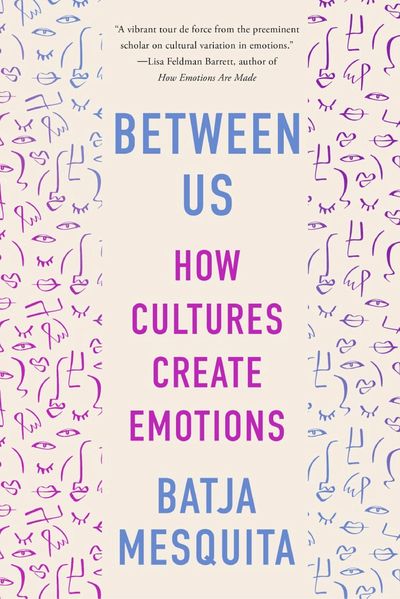
Between Us: How Cultures Create Emotions
What this one changed — to be written.
No.9
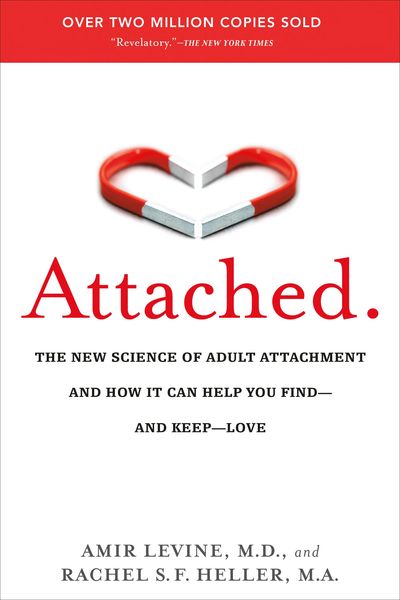
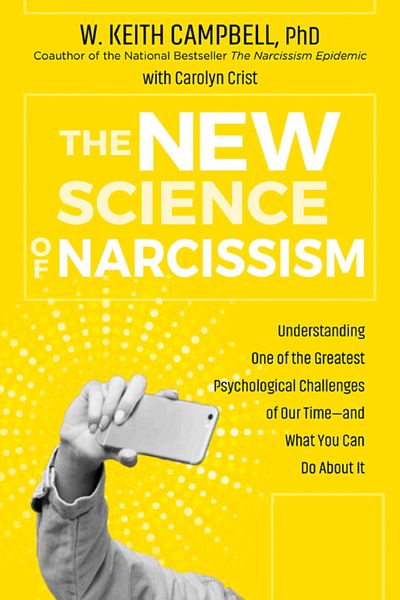
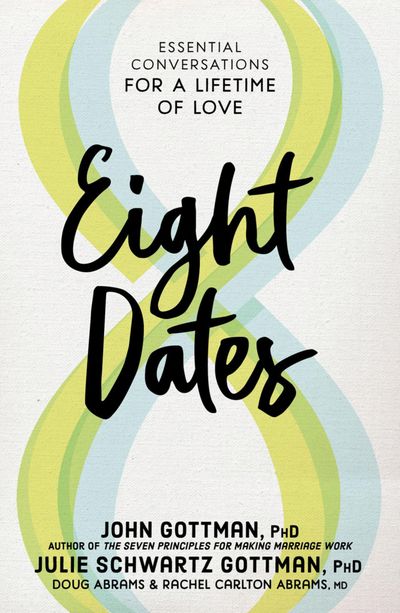
Attached: The New Science of Adult Attachment and How It Can Help You Find—and Keep—Love
What this one changed — to be written.
No.8
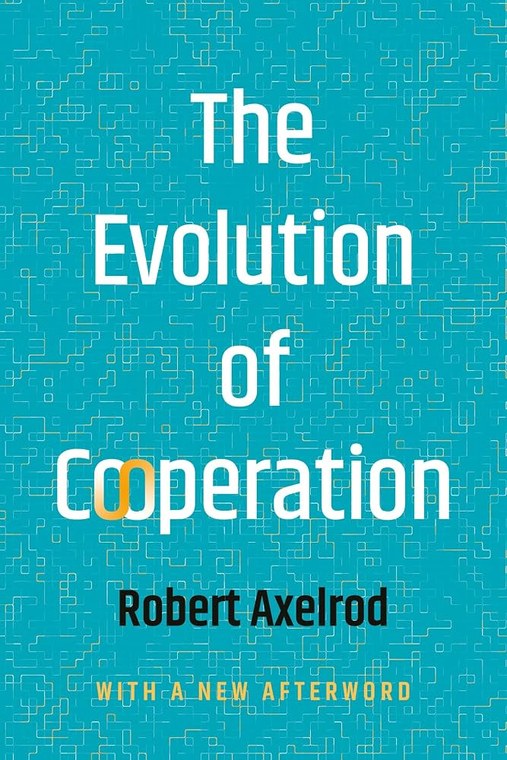
The Evolution of Cooperation
What this one changed — to be written.
No.7
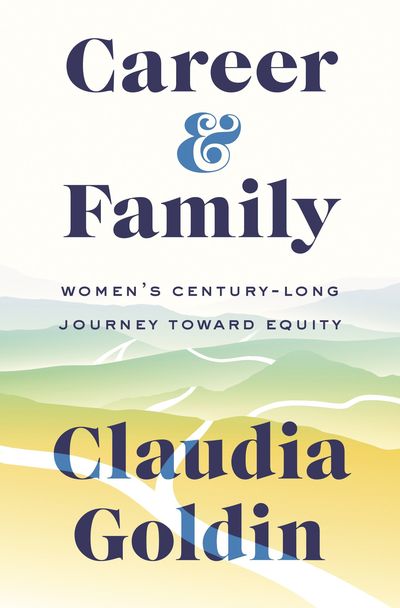
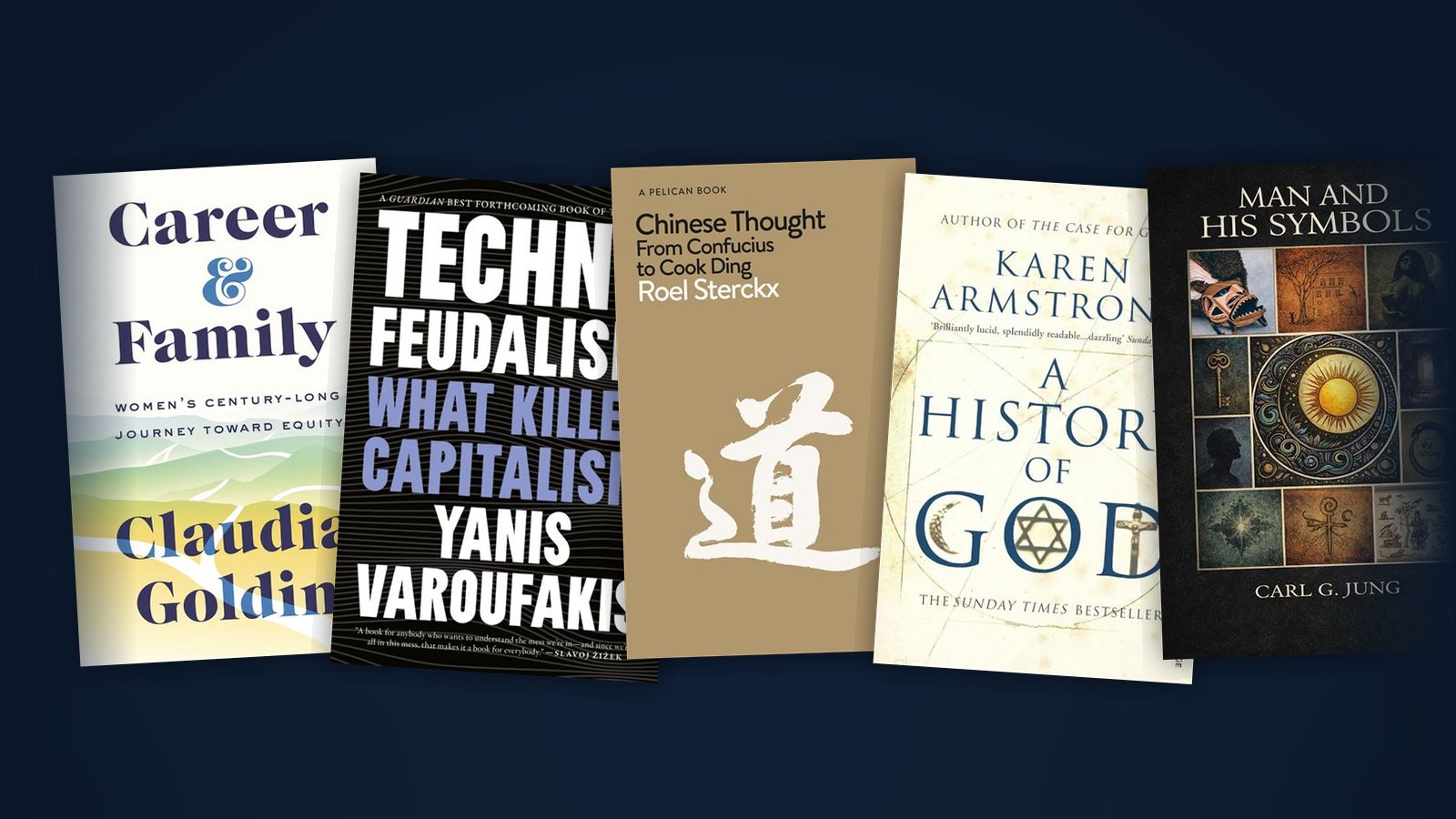
Career and Family: Women’s Century-Long Journey toward Equity
What this one changed — to be written.
No.6
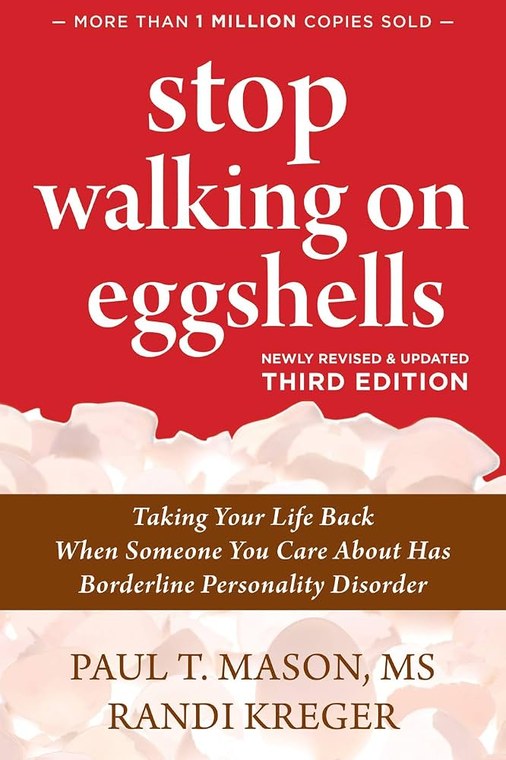
Stop Walking on Eggshells: Taking Your Life Back When Someone You Care About Has Borderline Personality Disorder
What this one changed — to be written.
No.5
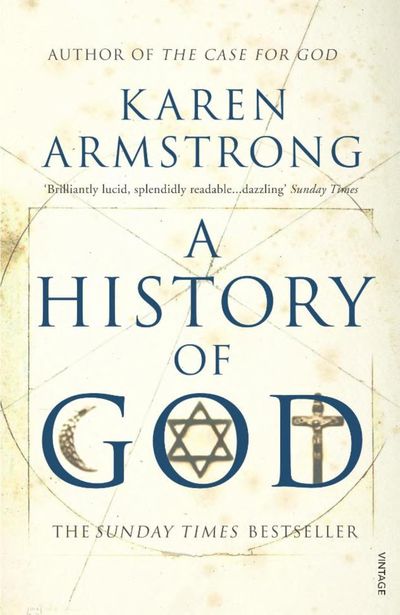
A History of God: The 4,000-Year Quest of Judaism, Christianity and Islam
What this one changed — to be written.
No.4
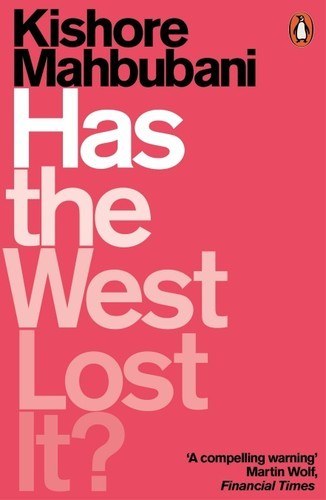
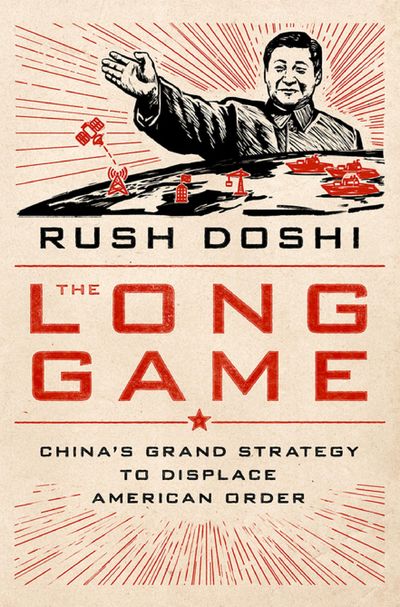
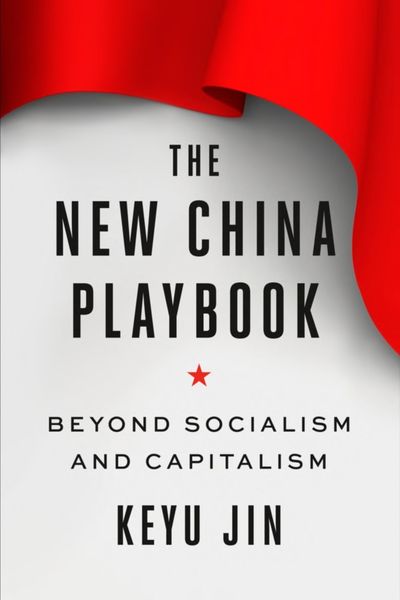
The Long Game: China’s Grand Strategy to Displace American Order
What this one changed — to be written.
No.3
Chinese Thought: From Confucius to Cook Ding
What this one changed — to be written.
No.2
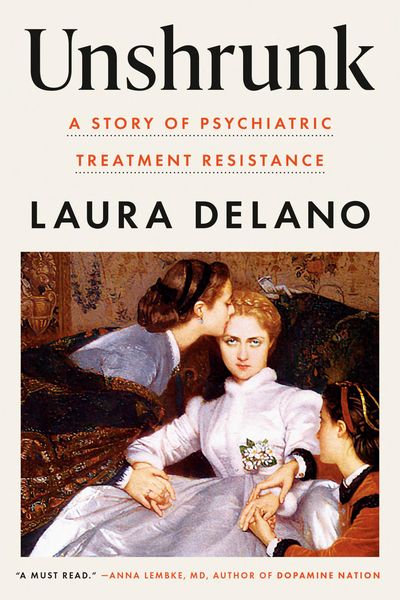
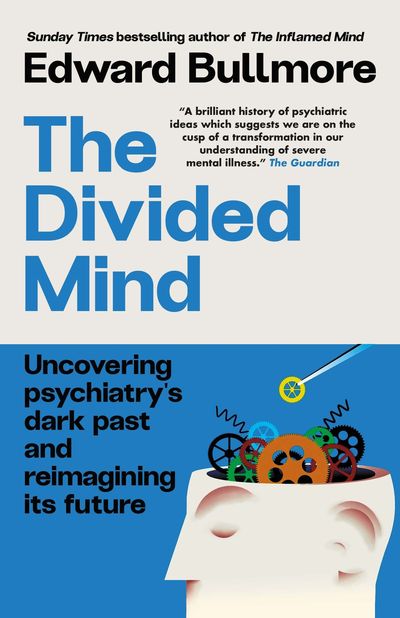
The Divided Mind: Uncovering Psychiatry’s Dark Past and Reimagining Its Future
What this one changed — to be written.
No.1
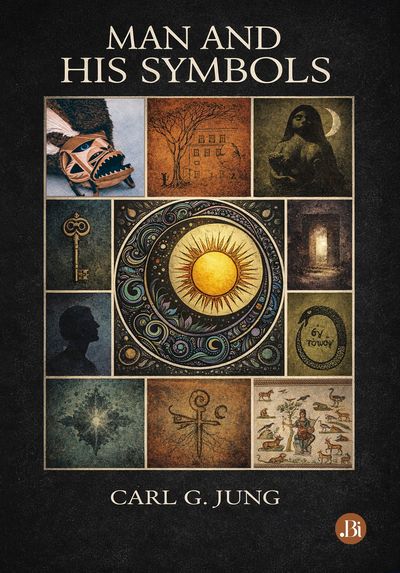
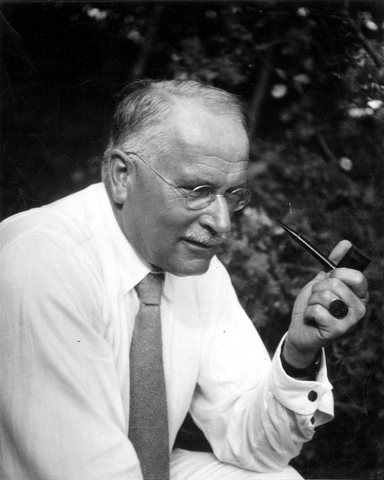
Man and His Symbols
What this one changed — to be written.
2024
How 2024 read — to be written. Two or three sentences: what I kept circling around, what changed my mind, what I put down half way.
Honorable
mentions
Nos.15–11
No.10
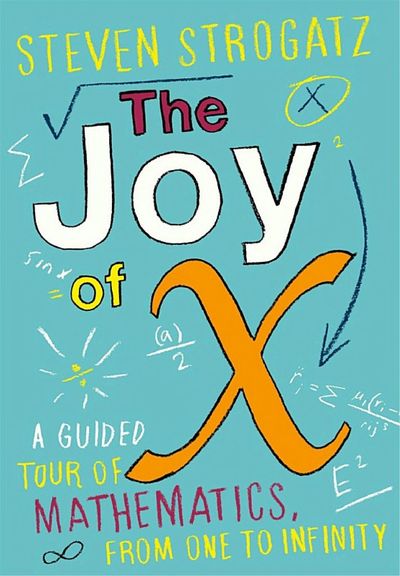
The Joy of X: A Guided Tour of Math, from One to Infinity
What this one changed — to be written.
No.9
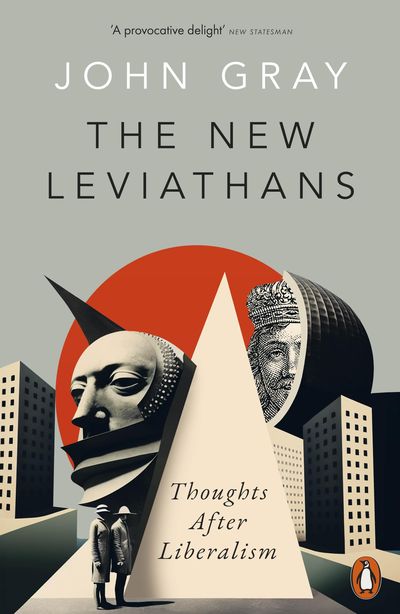
The New Leviathans: Thoughts After Liberalism
What this one changed — to be written.
No.8
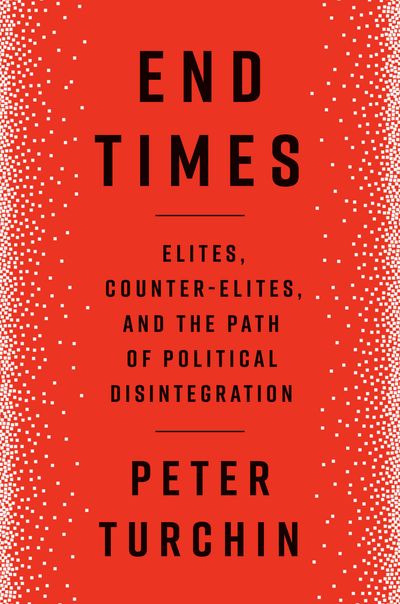
End Times: Elites, Counter-Elites, and the Path of Political Disintegration
What this one changed — to be written.
No.7
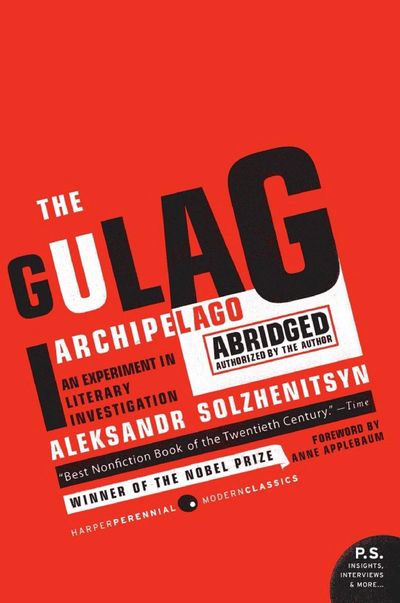
The Gulag Archipelago, 1918–1956: An Experiment in Literary Investigation
What this one changed — to be written.
No.6
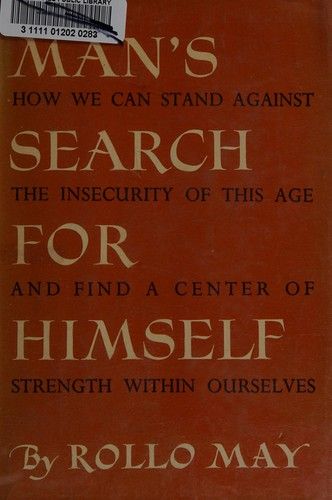
Man’s Search for Himself
What this one changed — to be written.
No.5
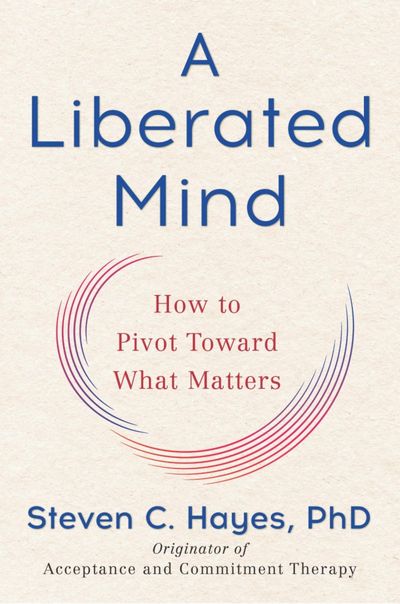
A Liberated Mind: How to Pivot Toward What Matters
What this one changed — to be written.
No.4
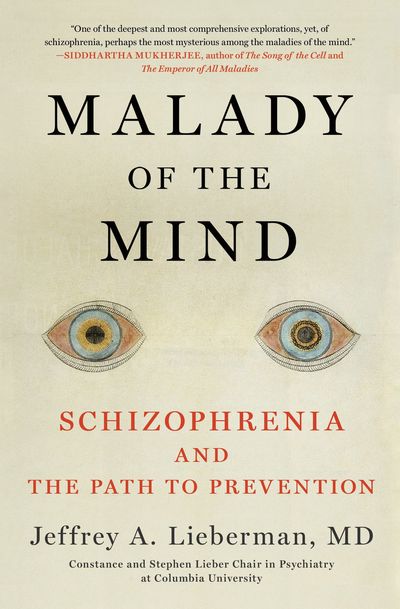
Malady of the Mind: Schizophrenia and the Path to Prevention
What this one changed — to be written.
No.3
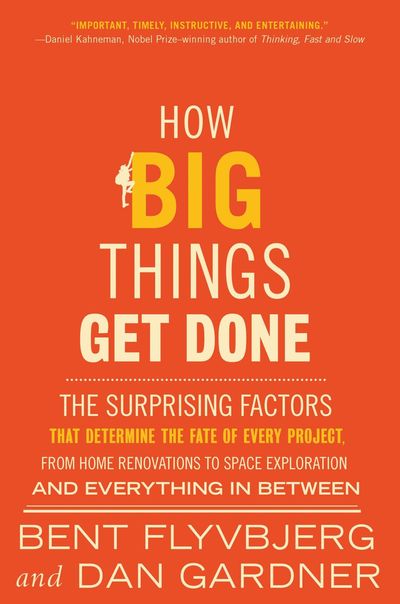
How Big Things Get Done: The Surprising Factors That Determine the Fate of Every Project, from Home Renovations to Space Exploration
What this one changed — to be written.
No.2
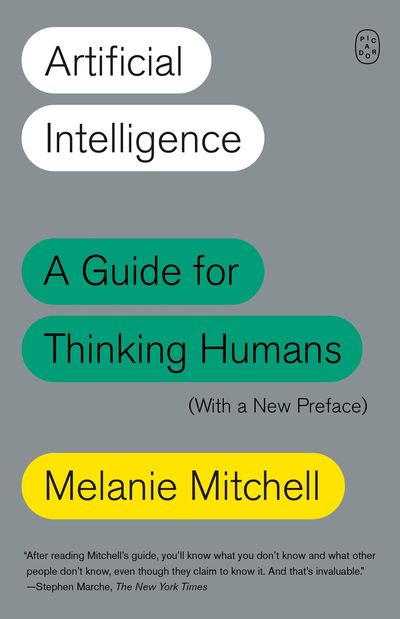
Artificial Intelligence: A Guide for Thinking Humans
What this one changed — to be written.
No.1
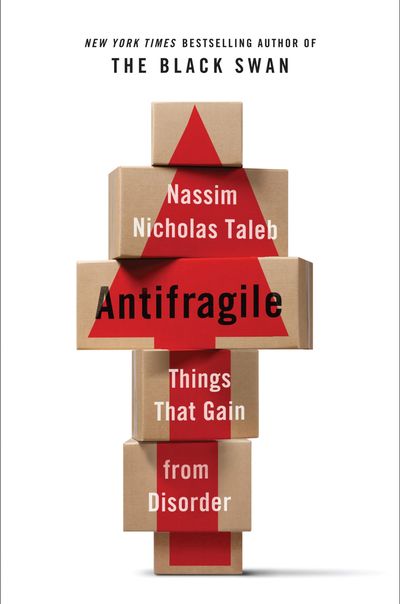
Antifragile: Things That Gain from Disorder
What this one changed — to be written.
2023
How 2023 read — to be written. Two or three sentences: what I kept circling around, what changed my mind, what I put down half way.
Honorable
mentions
Nos.15–11
No.10
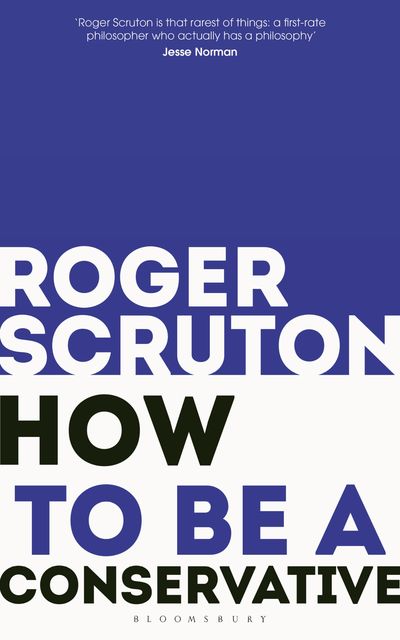
How to Be a Conservative
What this one changed — to be written.
No.9
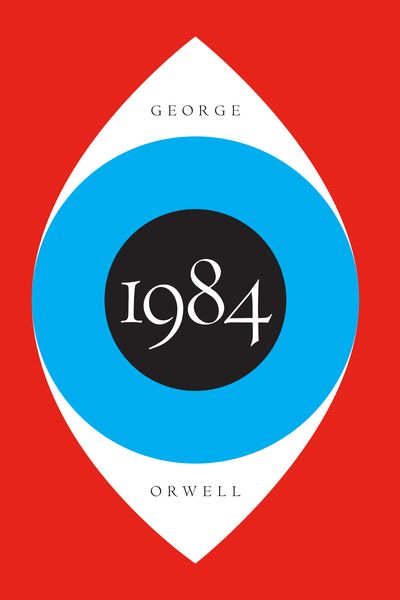
Nineteen Eighty-Four
What this one changed — to be written.
No.8
The Road to Serfdom
What this one changed — to be written.
No.7
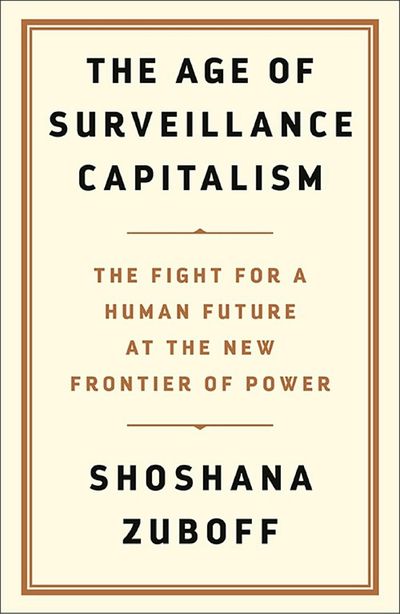
The Age of Surveillance Capitalism: The Fight for a Human Future at the New Frontier of Power
What this one changed — to be written.
No.6
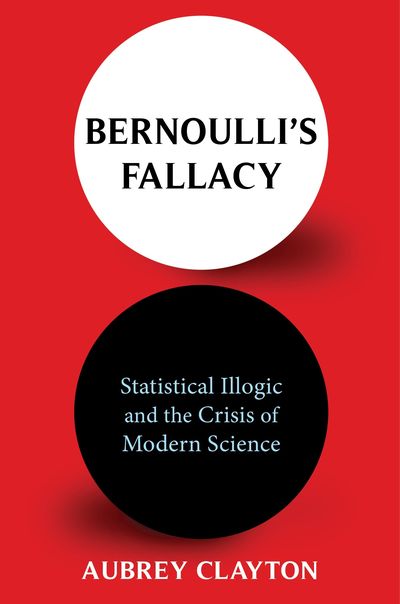
Bernoulli’s Fallacy: Statistical Illogic and the Crisis of Modern Science
What this one changed — to be written.
No.5
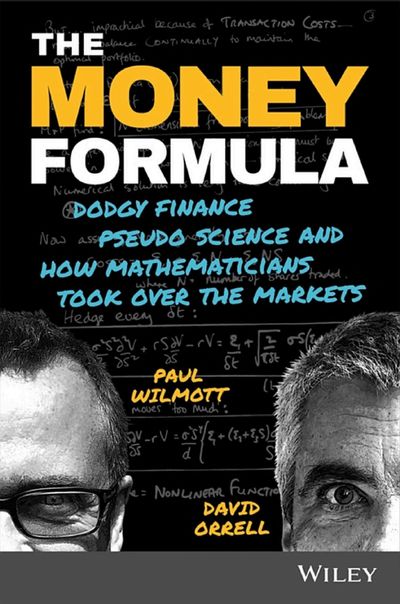
The Money Formula: Dodgy Finance, Pseudo Science, and How Mathematicians Took Over the Markets
What this one changed — to be written.
No.4
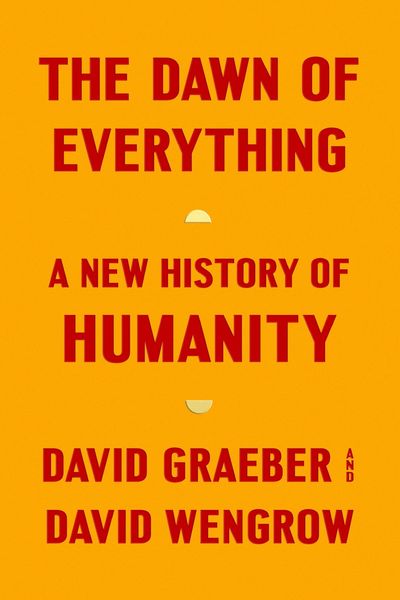
The Dawn of Everything: A New History of Humanity
What this one changed — to be written.
No.3
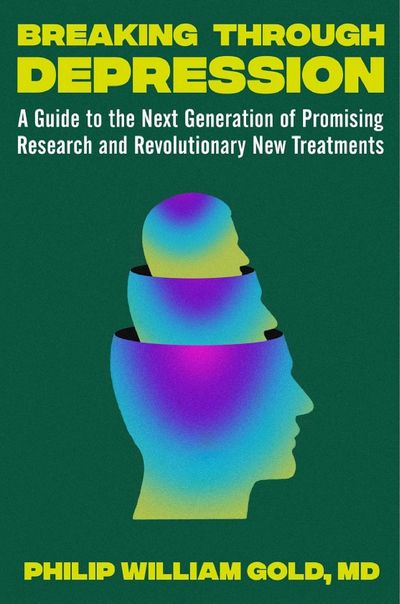
Breaking Through Depression: A Guide to the Next Generation of Promising Research and Revolutionary New Treatments
What this one changed — to be written. One or two sentences on the idea that moved something, not a summary of the book.
No.2
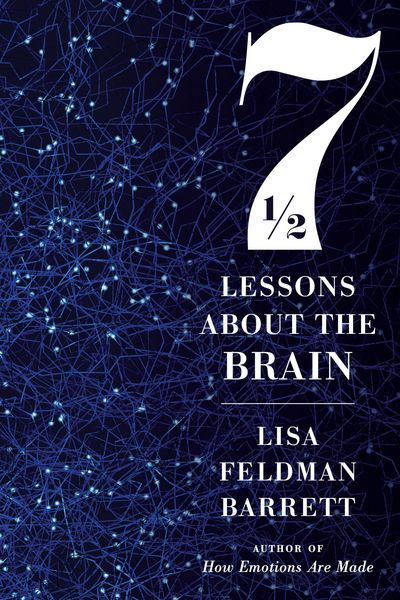
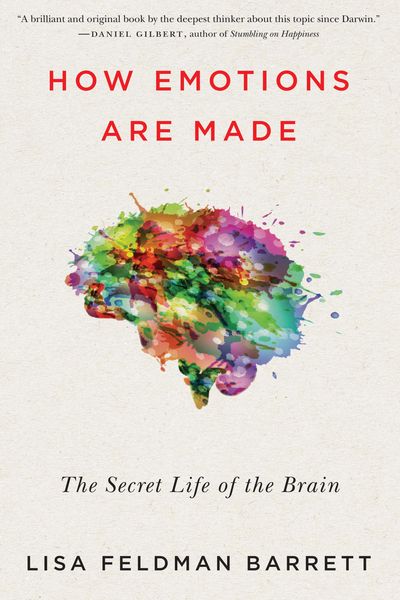
How Emotions Are Made: The Secret Life of the Brain
What this one changed — to be written.
No.1
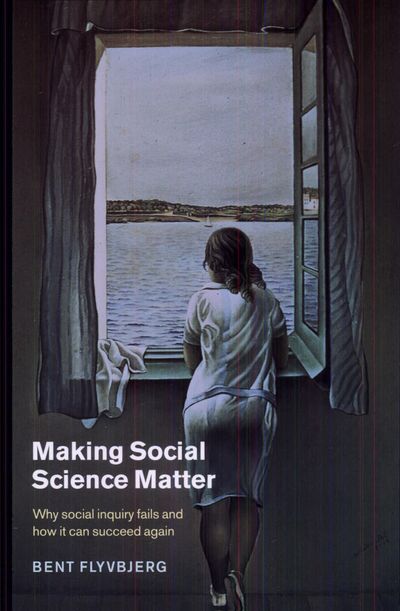
Making Social Science Matter: Why Social Inquiry Fails and How It Can Succeed Again
What this one changed — to be written.
2022
How 2022 read — to be written. Two or three sentences: what I kept circling around, what changed my mind, what I put down half way.
Honorable
mentions
Nos.15–11
No.10
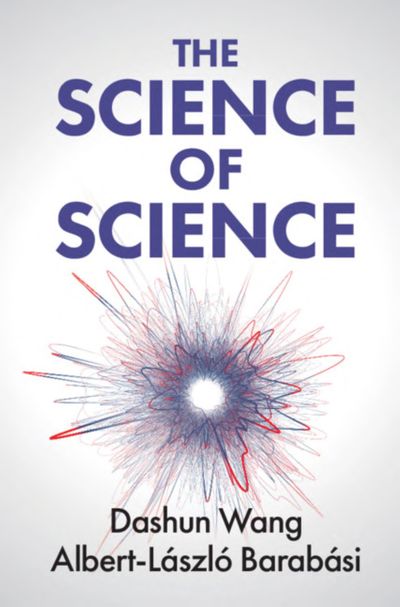
The Science of Science
What this one changed — to be written.
No.9
The Art of War
What this one changed — to be written.
No.8
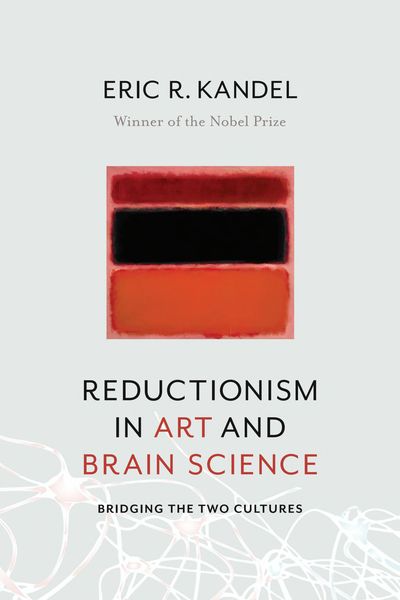
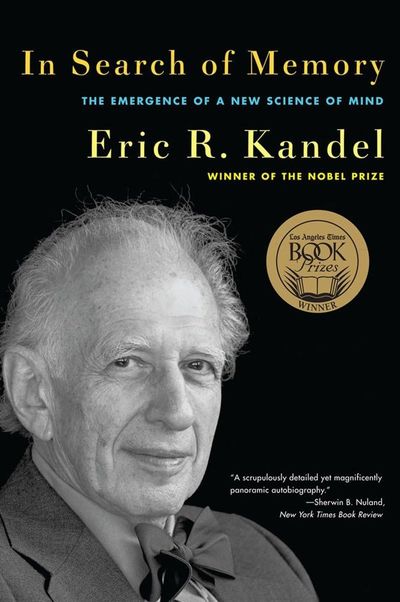
In Search of Memory: The Emergence of a New Science of Mind
What this one changed — to be written.
No.7
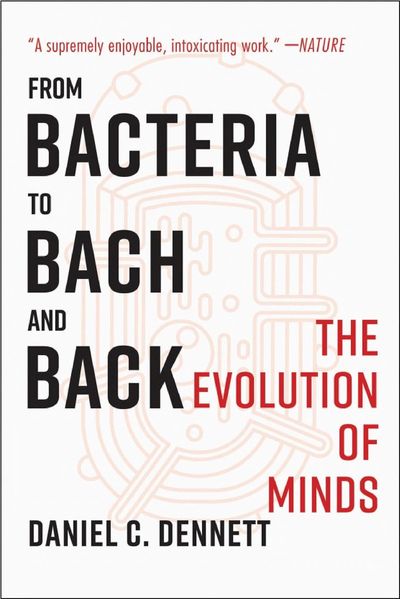
From Bacteria to Bach and Back: The Evolution of Minds
What this one changed — to be written.
No.6
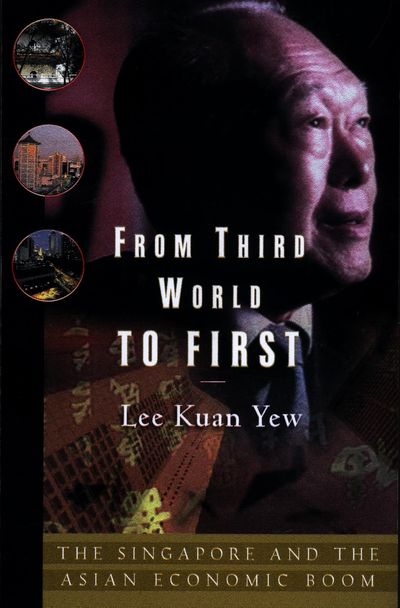
From Third World to First: The Singapore Story, 1965–2000
What this one changed — to be written.
No.5
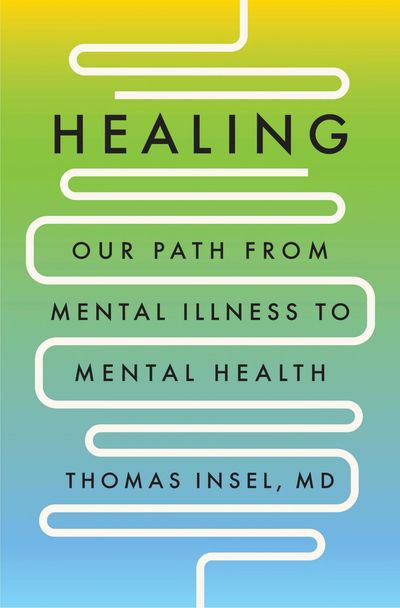
Healing: Our Path from Mental Illness to Mental Health
What this one changed — to be written.
No.4
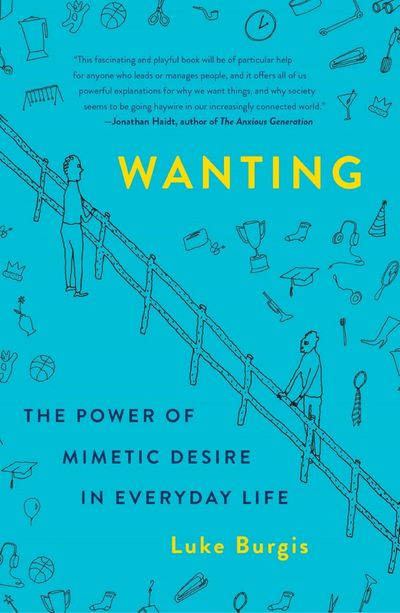
Wanting: The Power of Mimetic Desire in Everyday Life
What this one changed — to be written.
No.3
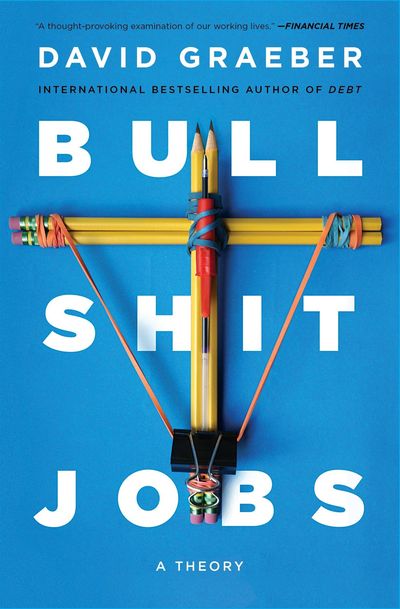
Bullshit Jobs: A Theory
What this one changed — to be written.
No.2
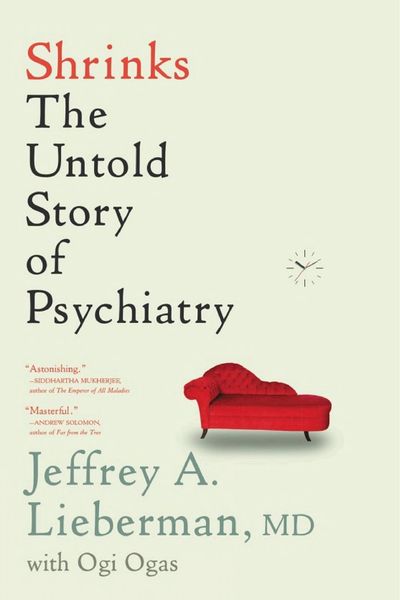
Shrinks: The Untold Story of Psychiatry
What this one changed — to be written.
No.1
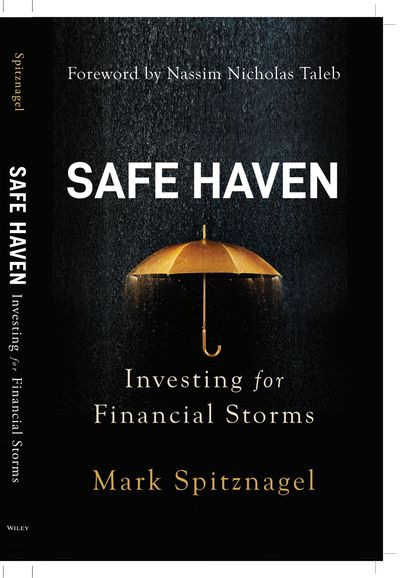
Safe Haven: Investing for Financial Storms
What this one changed — to be written.
2021
How 2021 read — to be written. Two or three sentences: what I kept circling around, what changed my mind, what I put down half way.
Honorable
mentions
Nos.15–11
No.10
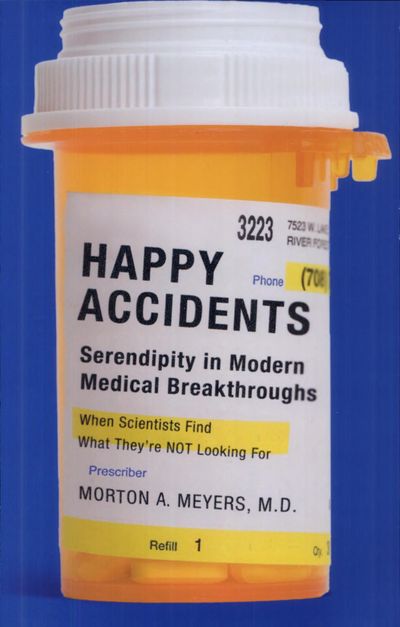
Happy Accidents: Serendipity in Major Medical Breakthroughs in the Twentieth Century
What this one changed — to be written.
No.9
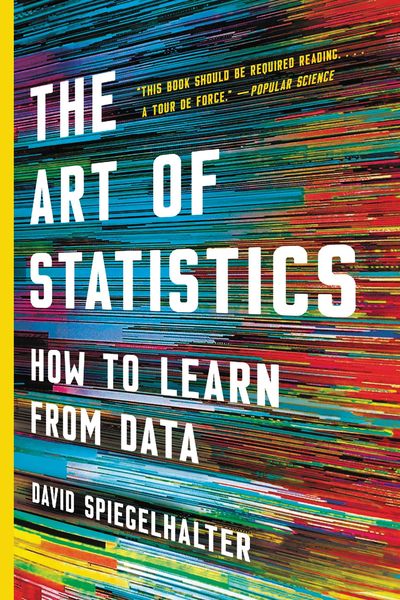
The Art of Statistics: How to Learn from Data
What this one changed — to be written.
No.8
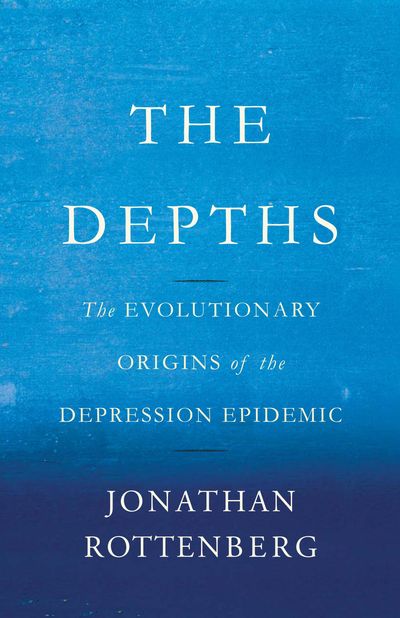
The Depths: The Evolutionary Origins of the Depression Epidemic
What this one changed — to be written.
No.7
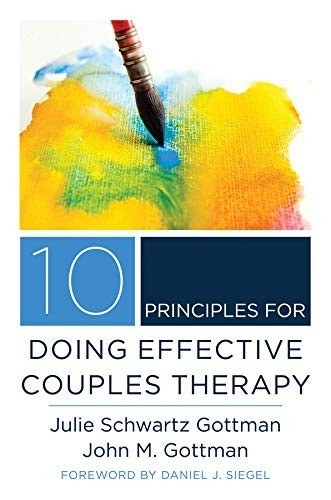
Ten Principles for Doing Effective Couples Therapy
What this one changed — to be written. One or two sentences on the idea that moved something, not a summary of the book.
No.6
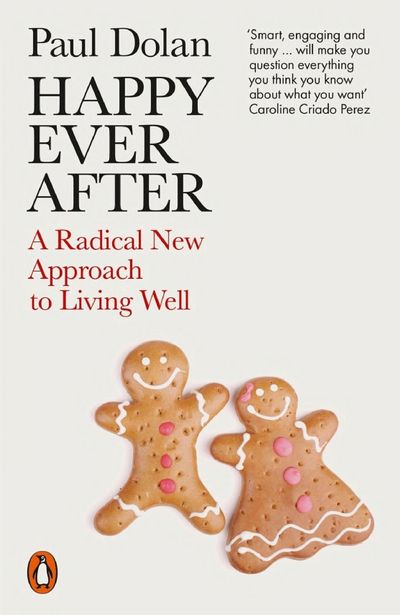
Happy Ever After: A Radical New Approach to Living Well
What this one changed — to be written.
No.5
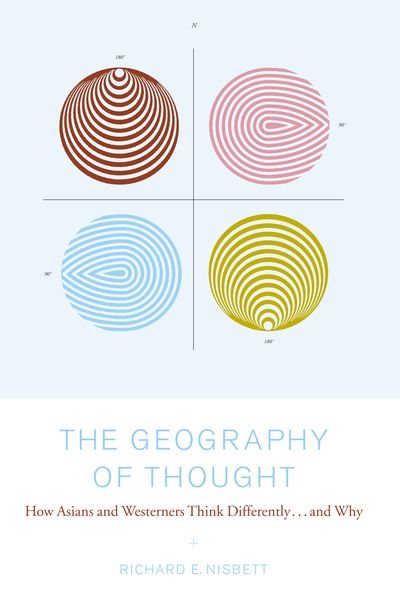
The Geography of Thought: How Asians and Westerners Think Differently… and Why
What this one changed — to be written.
No.4
A Confession
What this one changed — to be written.
No.3
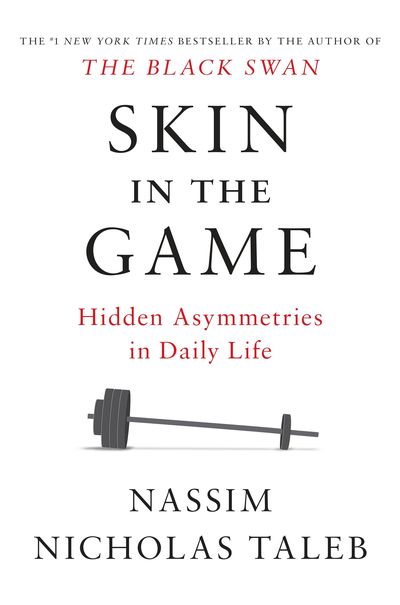
Skin in the Game: Hidden Asymmetries in Daily Life
What this one changed — to be written.
No.2
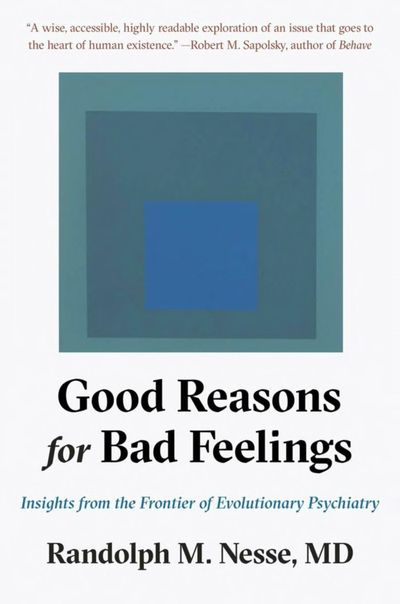
Good Reasons for Bad Feelings: Insights from the Frontier of Evolutionary Psychiatry
What this one changed — to be written.
No.1
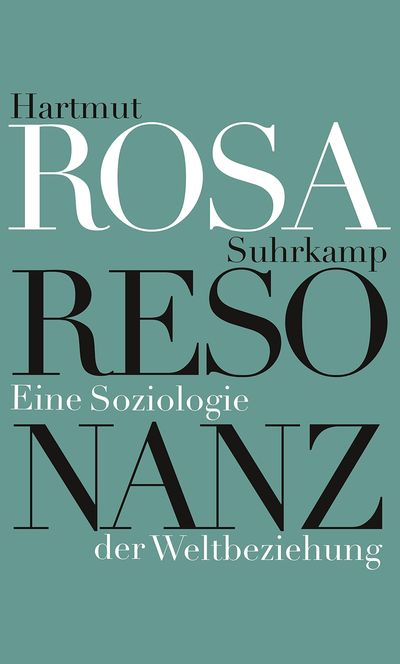
Resonanz: Eine Soziologie der Weltbeziehung (Resonance: A Sociology of Our Relationship to the World)
Unverfügbarkeit (The Uncontrollability of the World)
What this one changed — to be written. One or two sentences on the idea that moved something, not a summary of the book.
2020
How 2020 read — to be written. Two or three sentences: what I kept circling around, what changed my mind, what I put down half way.
Honorable
mentions
Nos.15–11
No.10
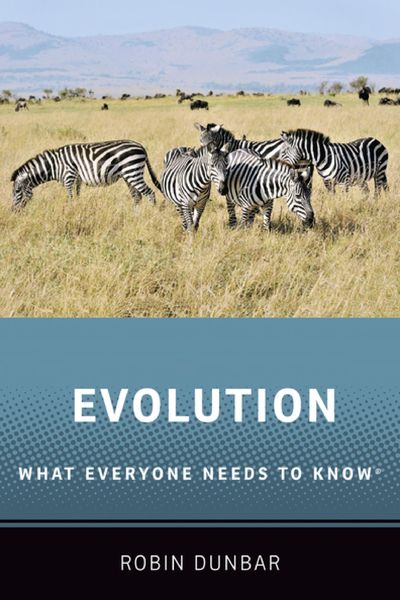
Evolution: What Everyone Needs to Know
What this one changed — to be written.
No.9
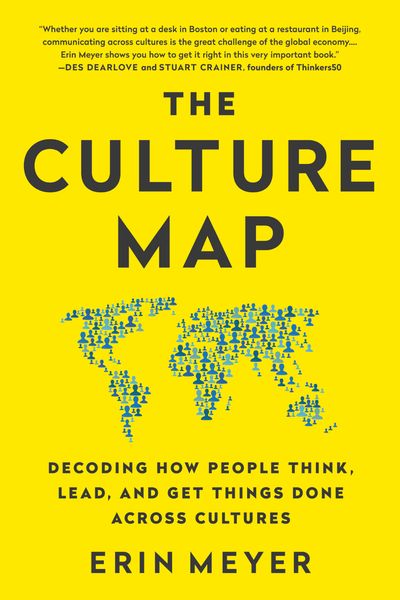
The Culture Map: Breaking Through the Invisible Boundaries of Global Business
What this one changed — to be written.
No.8
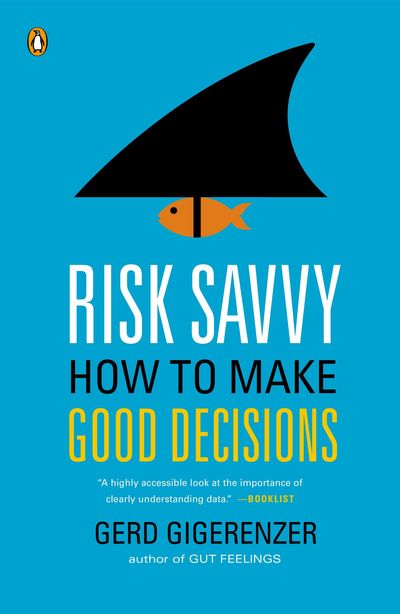
Risk Savvy: How to Make Good Decisions
What this one changed — to be written.
No.7
Norwegian Wood
What this one changed — to be written.
No.6
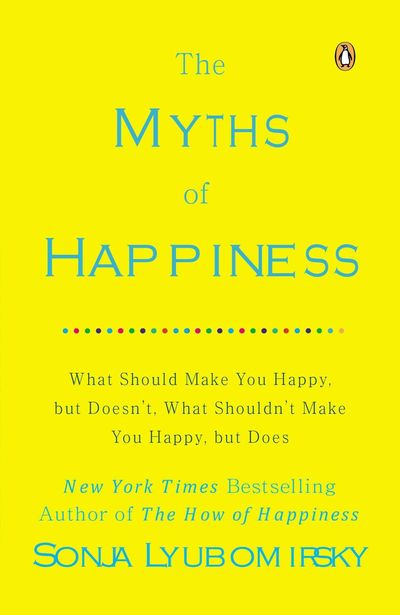
The Myths of Happiness: What Should Make You Happy, but Doesn’t, What Shouldn’t Make You Happy, but Does
What this one changed — to be written.
No.5
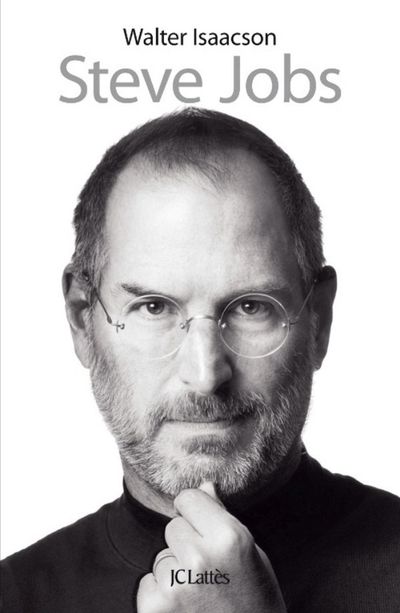
Steve Jobs
What this one changed — to be written.
No.4
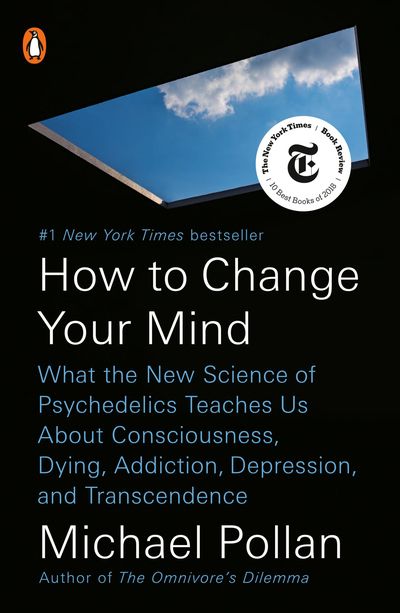
How to Change Your Mind: What the New Science of Psychedelics Teaches Us About Consciousness, Dying, Addiction, Depression, and Transcendence
What this one changed — to be written.
No.3
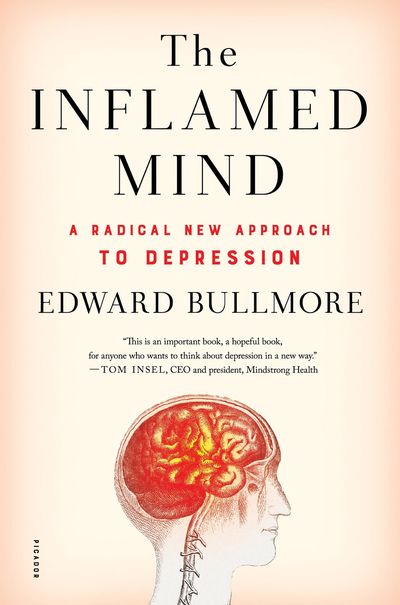
The Inflamed Mind: A Radical New Approach to Depression
What this one changed — to be written.
No.2
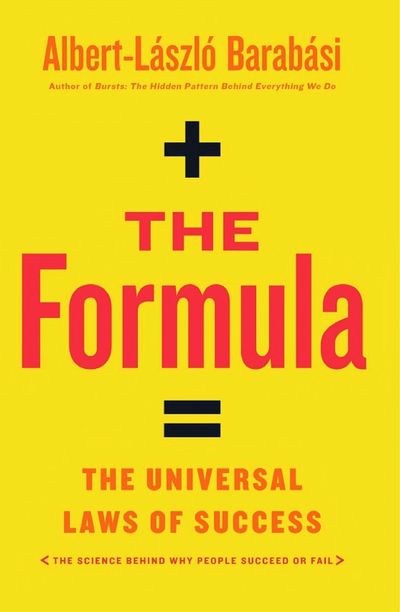
The Formula: The Universal Laws of Success
What this one changed — to be written.
No.1
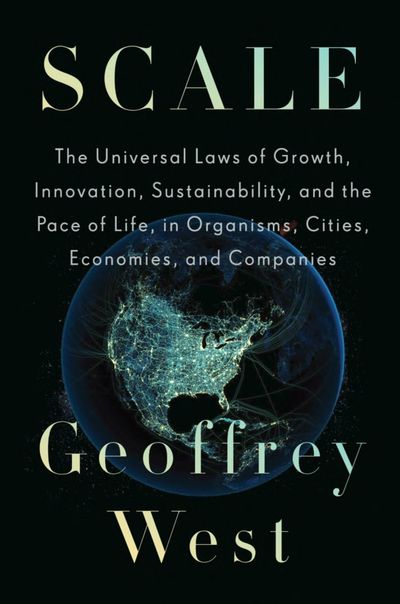
Scale: The Universal Laws of Growth, Innovation, Sustainability, and the Pace of Life in Organisms, Cities, Economies, and Companies
What this one changed — to be written.
2019
How 2019 read — to be written. Two or three sentences: what I kept circling around, what changed my mind, what I put down half way.
Honorable
mentions
Nos.15–11
No.10
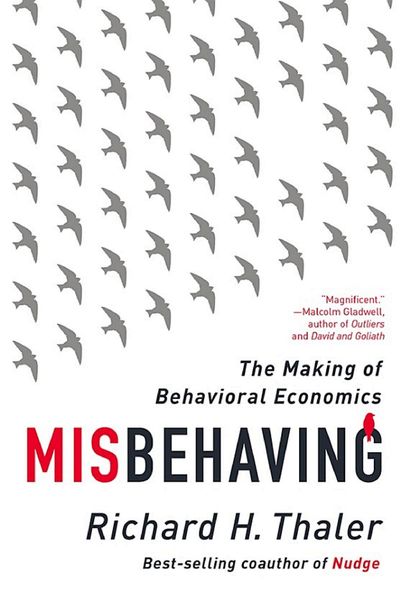
Misbehaving: The Making of Behavioral Economics
What this one changed — to be written.
No.9
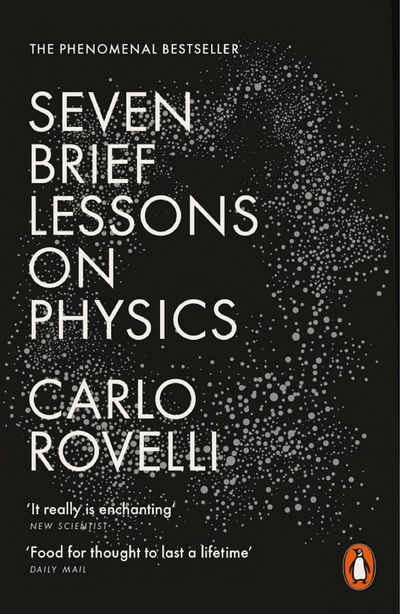
Seven Brief Lessons on Physics
What this one changed — to be written.
No.8
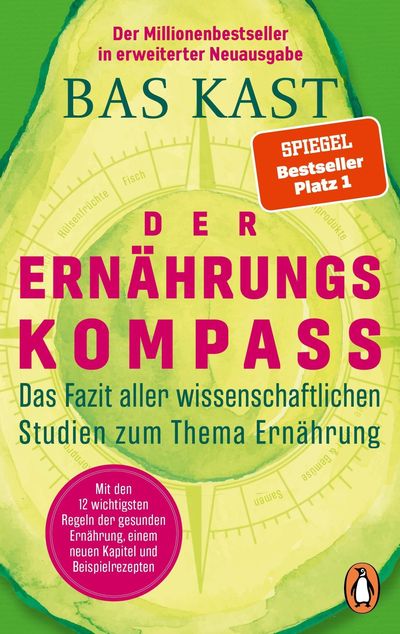
Der Ernährungskompass (The Diet Compass)
What this one changed — to be written.
No.7
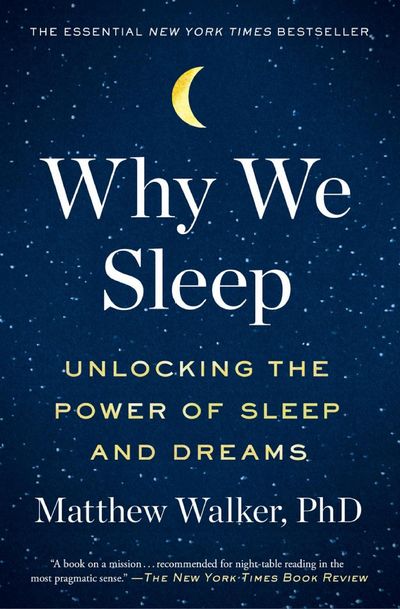
Why We Sleep: Unlocking the Power of Sleep and Dreams
What this one changed — to be written.
No.6
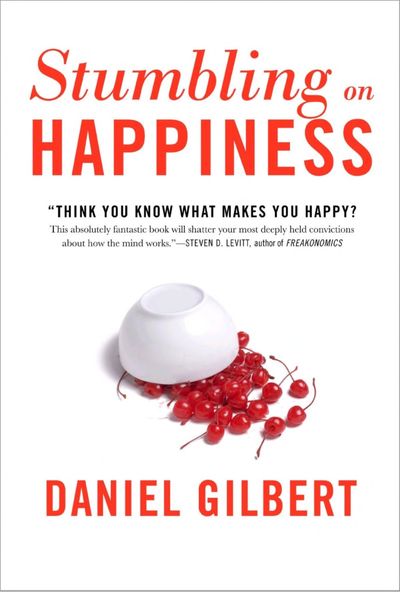
Stumbling on Happiness
What this one changed — to be written.
No.5
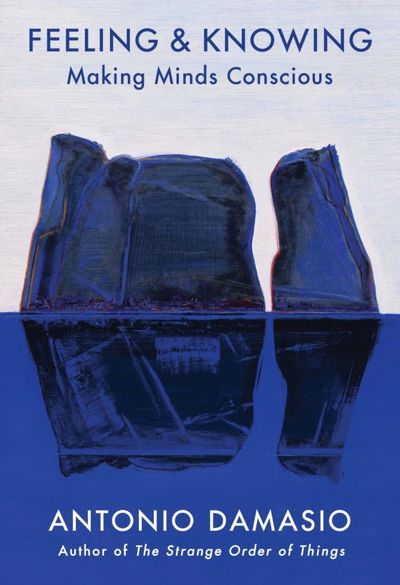
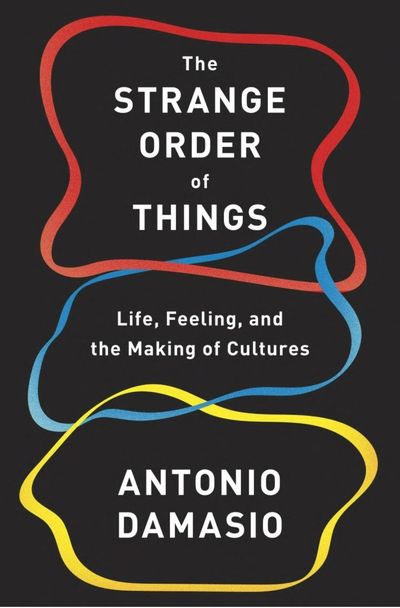
The Strange Order of Things: Life, Feeling, and the Making of Cultures
What this one changed — to be written.
No.4
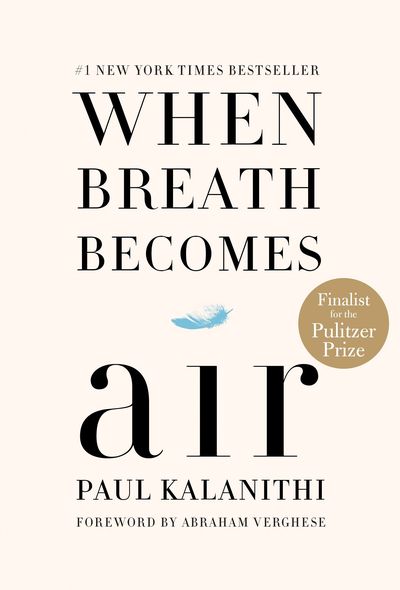
When Breath Becomes Air
What this one changed — to be written.
No.3
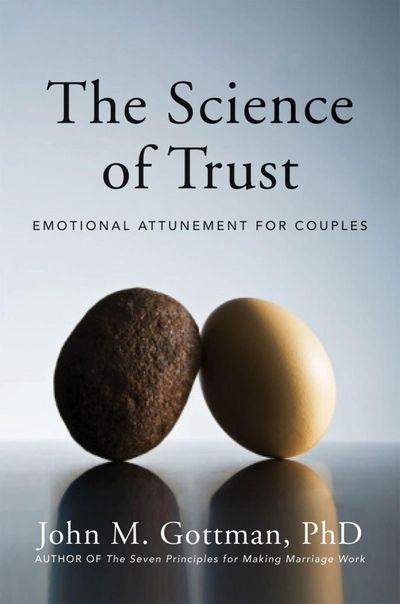
The Science of Trust: Emotional Attunement for Couples
What this one changed — to be written.
No.2
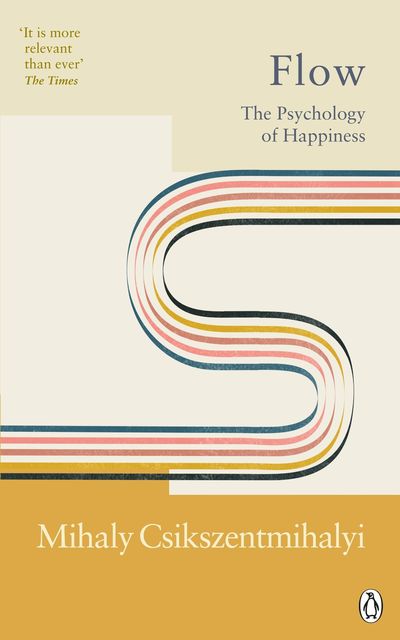
Flow: The Psychology of Optimal Experience
What this one changed — to be written.
No.1
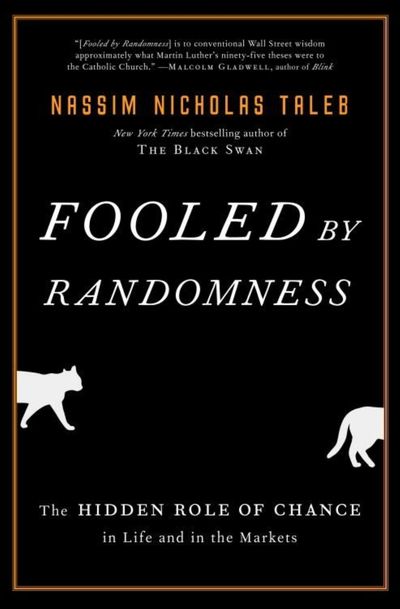
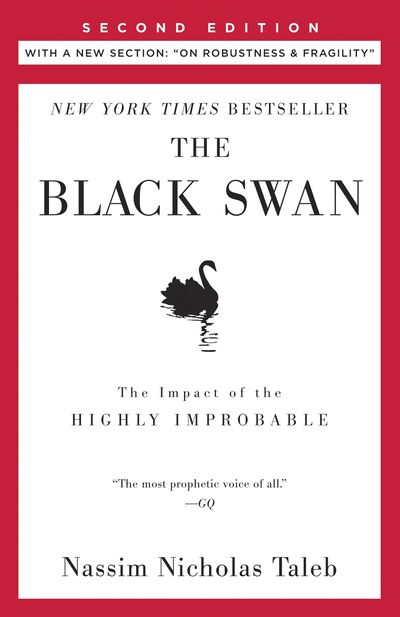
The Black Swan: The Impact of the Highly Improbable
What this one changed — to be written.
2018
How 2018 read — to be written. Two or three sentences: what I kept circling around, what changed my mind, what I put down half way.
Honorable
mentions
Nos.15–11
No.10
Die Verwandlung (The Metamorphosis)
What this one changed — to be written.
No.9
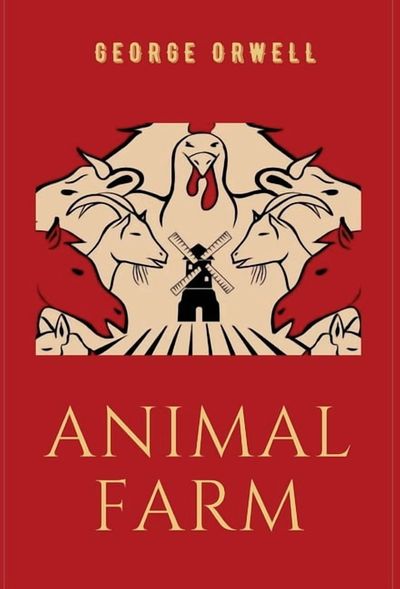
Animal Farm
What this one changed — to be written.
No.8
Crito
What this one changed — to be written.
No.7
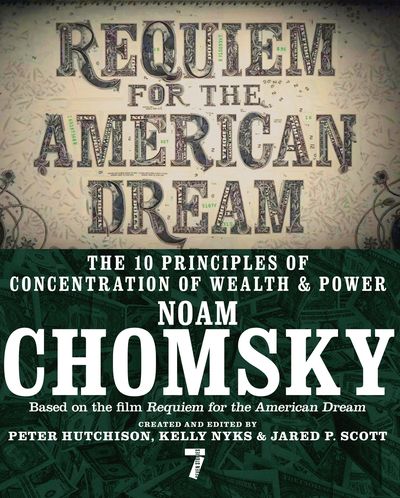
Requiem for the American Dream: The 10 Principles of Concentration of Wealth & Power
What this one changed — to be written.
No.6
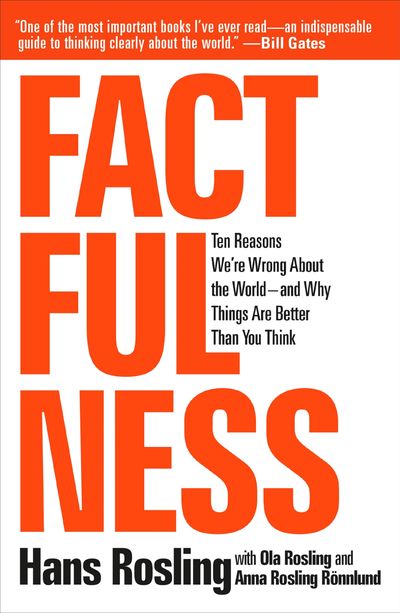
Factfulness: Ten Reasons We’re Wrong About the World — and Why Things Are Better Than You Think
What this one changed — to be written.
No.5
Das Glasperlenspiel (The Glass Bead Game)
What this one changed — to be written.
No.4
Der Steppenwolf (Steppenwolf)
What this one changed — to be written.
No.3
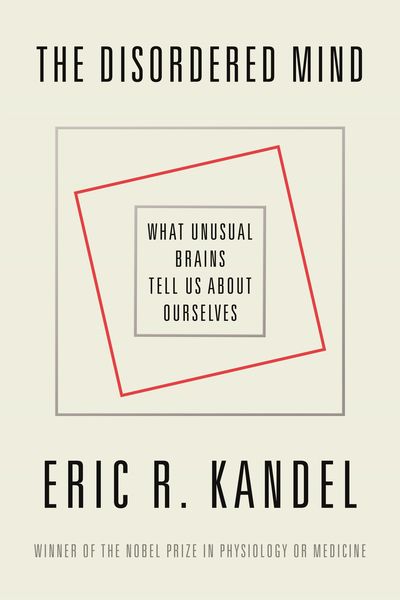
The Disordered Mind: What Unusual Brains Tell Us About Ourselves
What this one changed — to be written.
No.2
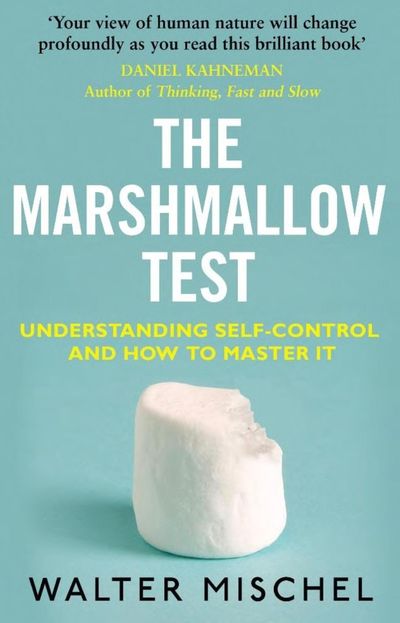
The Marshmallow Test: Mastering Self-Control
What this one changed — to be written.
No.1
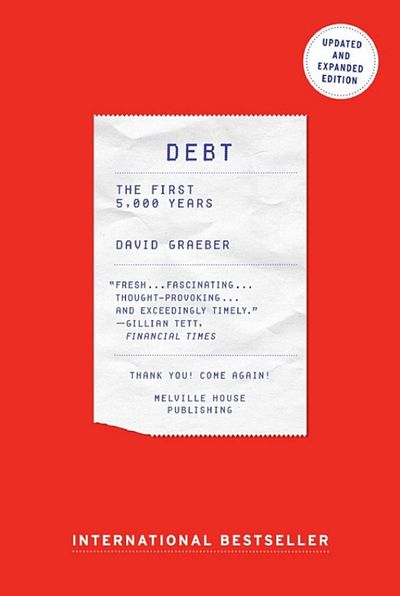
Debt: The First 5,000 Years
What this one changed — to be written.
birth – 2017
Before any of the reading, there was this: comics, cartridges and television, from a childhood in Heilbronn. Counted the same way as the books and taken about as seriously.
No.1
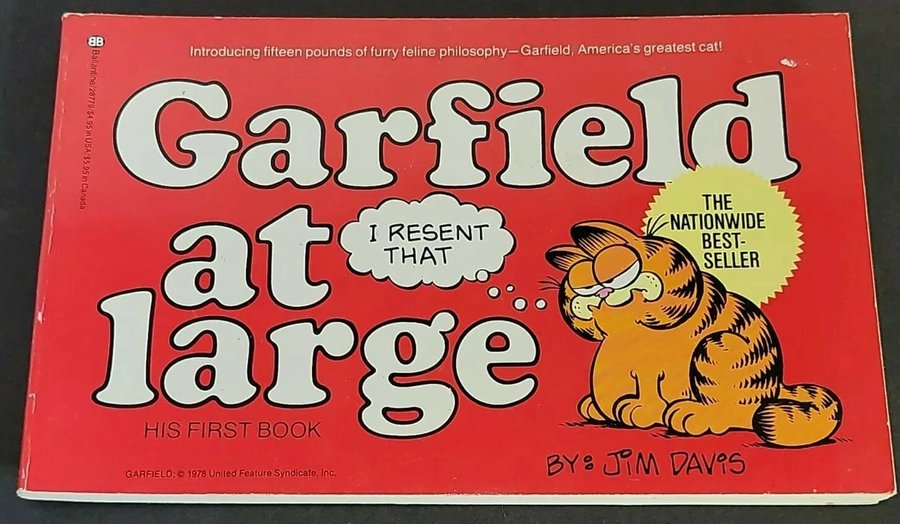
Garfield Comics
What this one was — to be written. A line on why it stuck, not a review.
No.1
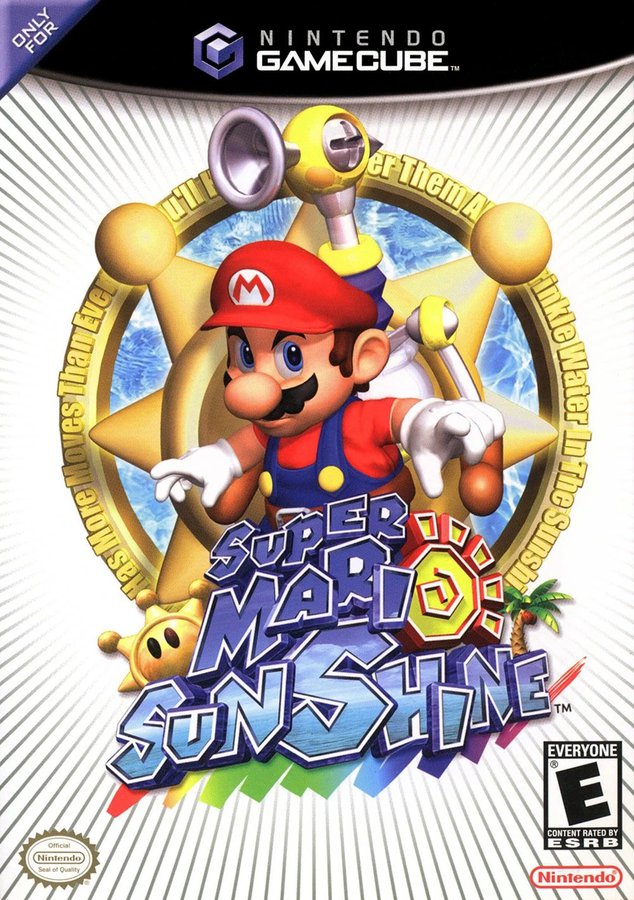
Super Mario Sunshine
What this one was — to be written. A line on why it stuck, not a review.
No.1
Scrubs
What this one was — to be written. A line on why it stuck, not a review.
No.1
The Legend of Zelda: The Wind Waker
What this one was — to be written. A line on why it stuck, not a review.
No.1
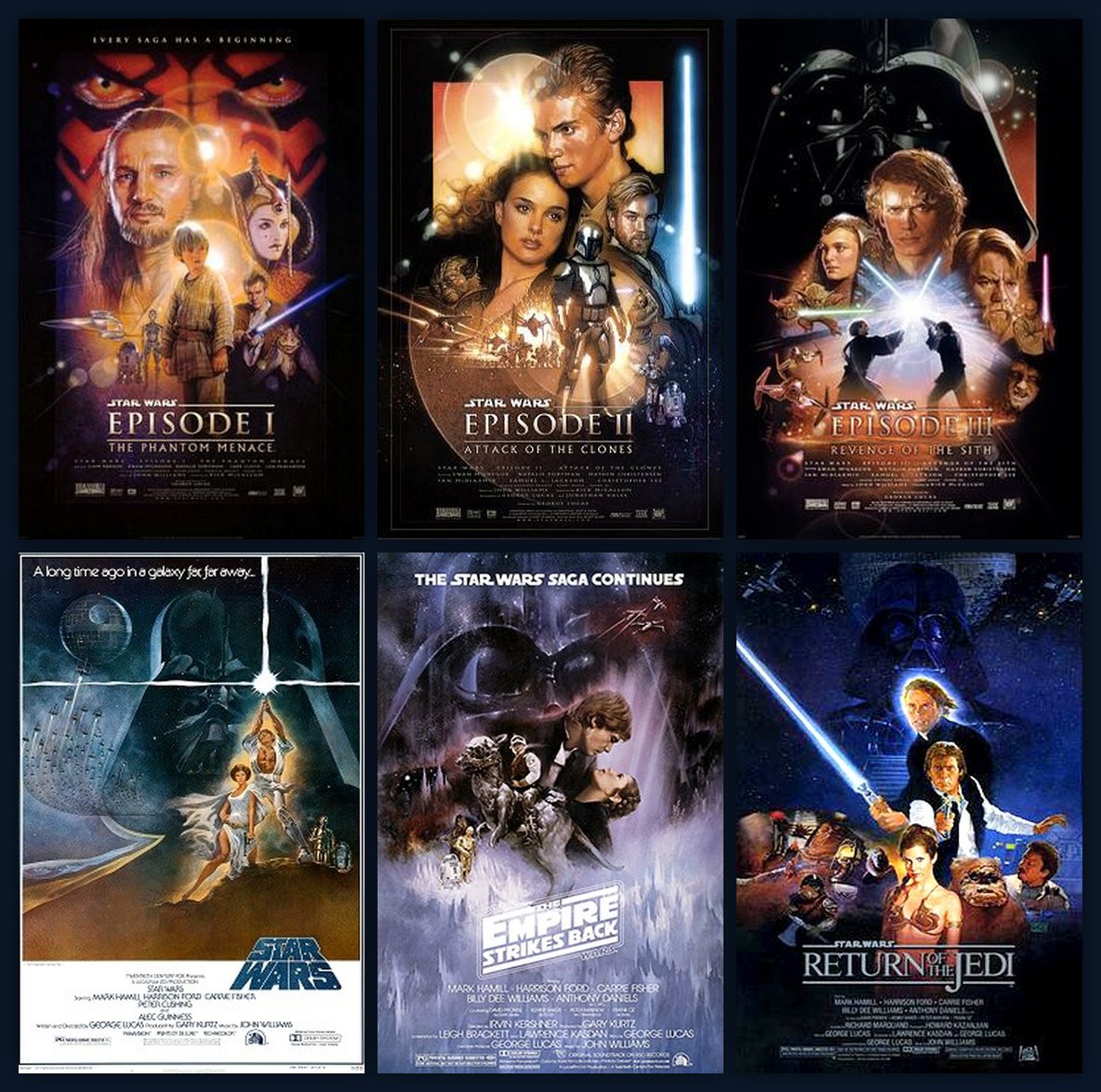
Star Wars, Episodes I–VI
What this one was — to be written. A line on why it stuck, not a review.
No.1
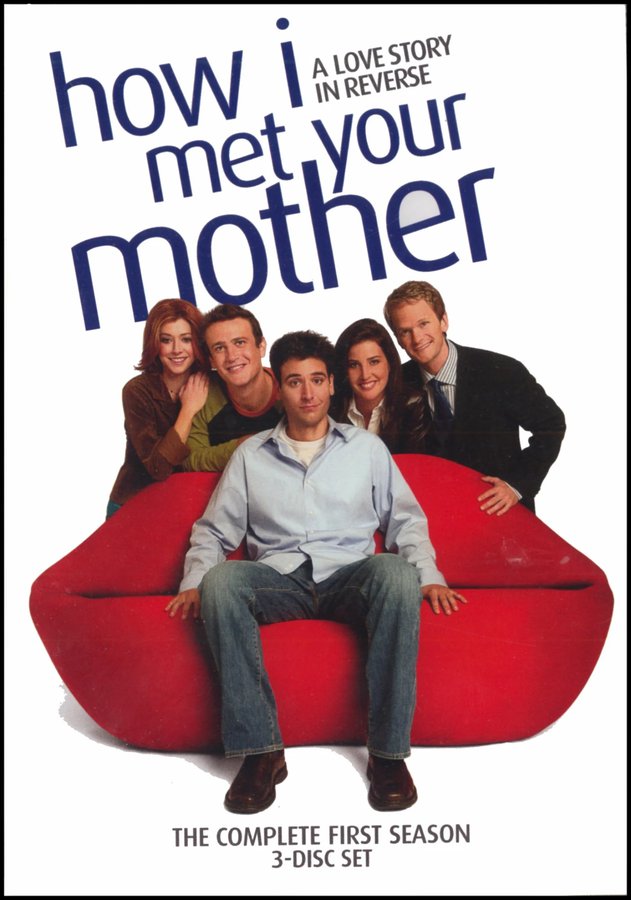
How I Met Your Mother
What this one was — to be written. A line on why it stuck, not a review.
No.1
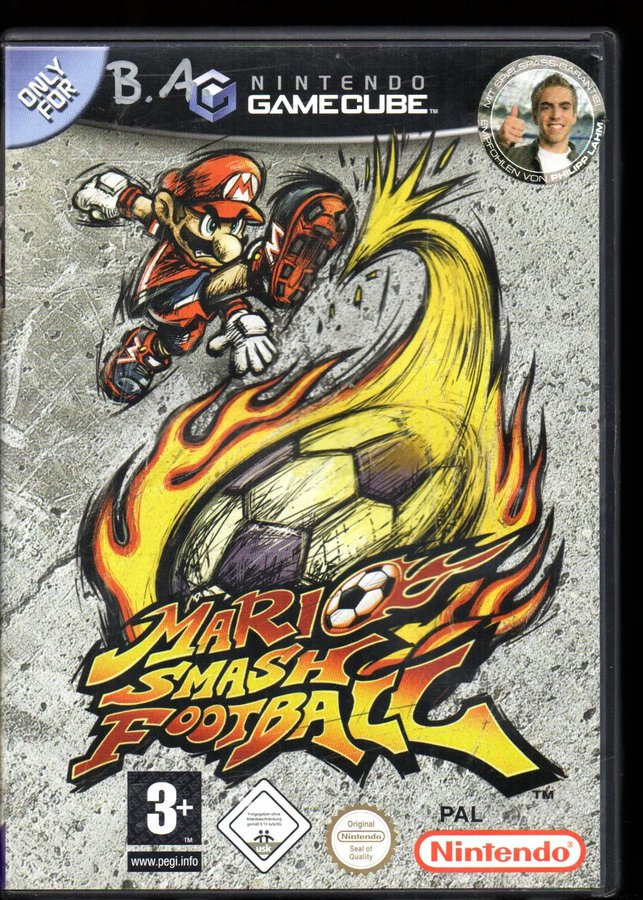
Mario Smash Football
What this one was — to be written. A line on why it stuck, not a review.
No.1
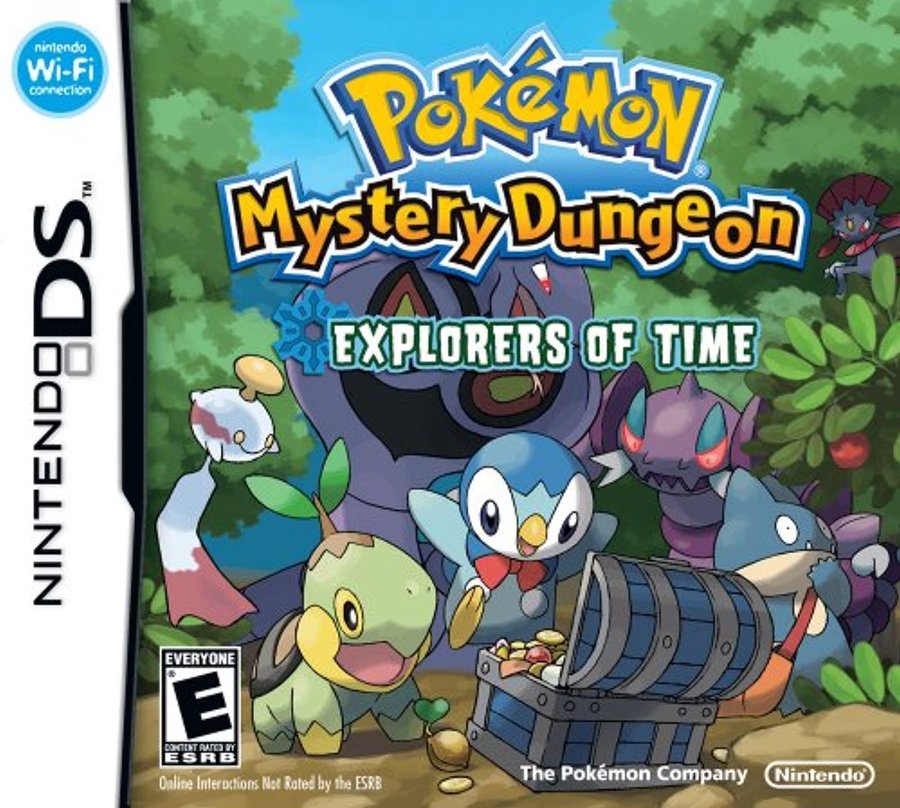
Pokémon Mystery Dungeon: Explorers of Time
What this one was — to be written. A line on why it stuck, not a review.
No.1
Pokémon Ruby
What this one was — to be written. A line on why it stuck, not a review.
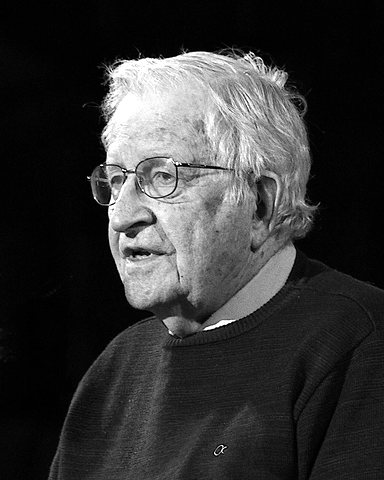
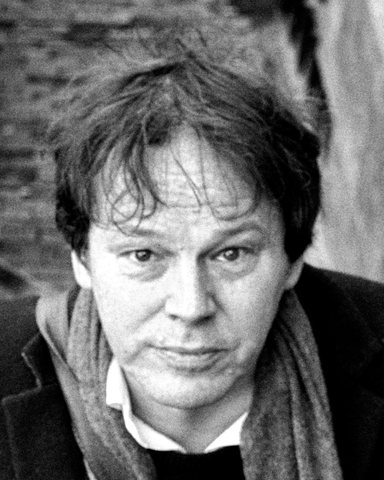
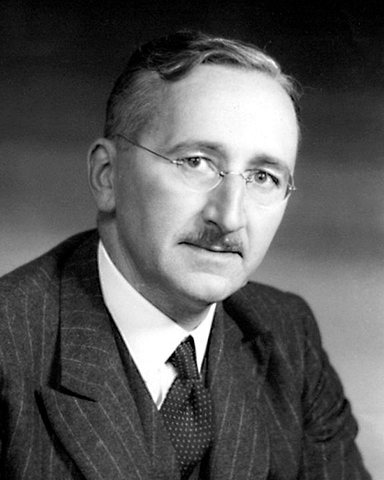
My Intellectual heroes
Grouped by the questions they opened, not by discipline. They taught me how to think, not what to think — and several of them contradict each other flatly.
What I learned — to be written.
What I learned — to be written.
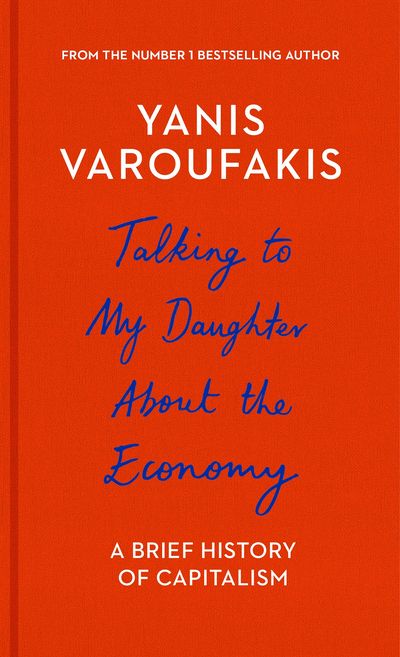
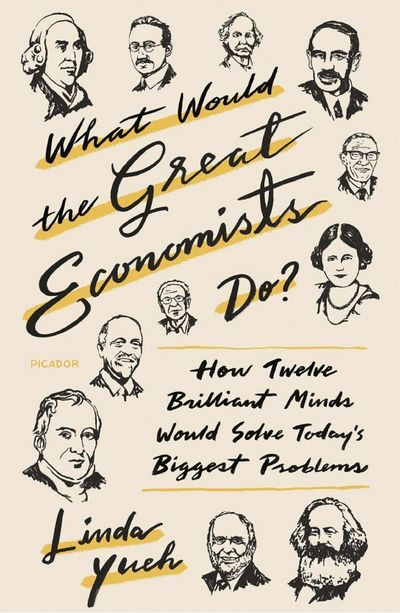
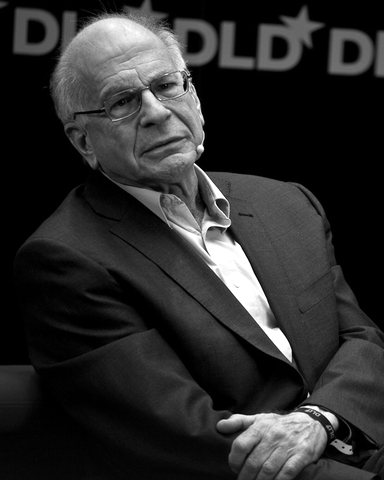
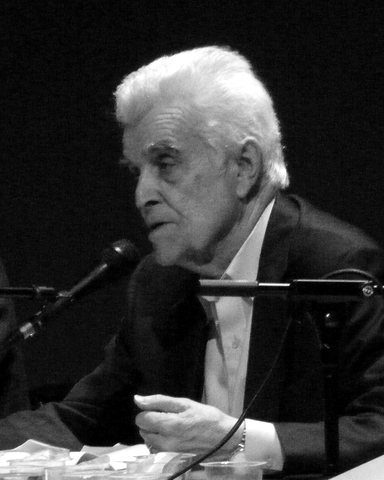
The first psychologist who really held me, and the book came to me rather than the other way round: I won Thinking, Fast and Slow at eighteen, my school’s prize for economics.
I read it and knew at once that there was real scholarly work in front of me. Quietly, over years, it set my assumptions about human nature, about how far rationality actually reaches, and about how economic agents behave once you aggregate them into a market. Some of the studies it cites have since failed to replicate, and that criticism is fair and worth taking seriously — but the foundation held. Most of what I now think about judgement under uncertainty still rests on it.
What I learned — to be written.
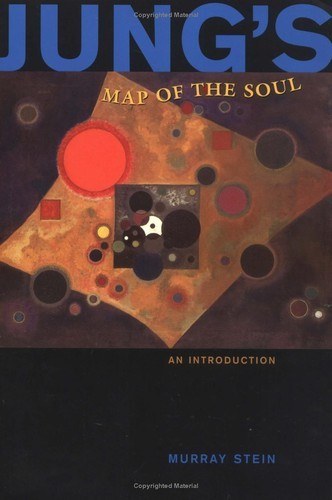
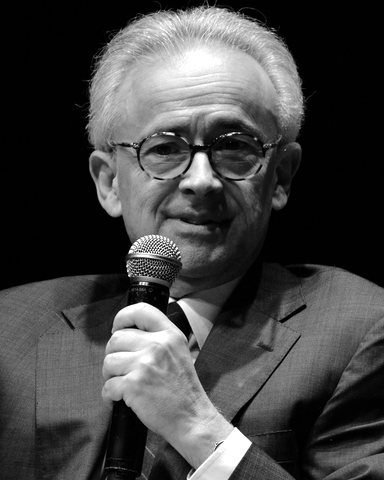
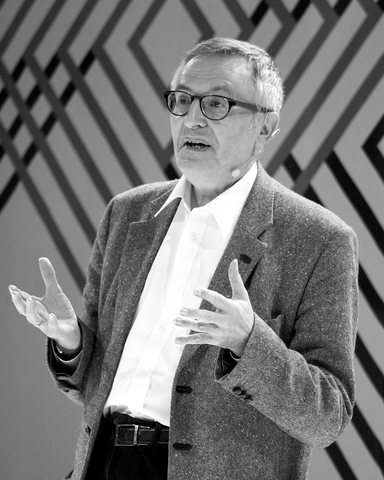
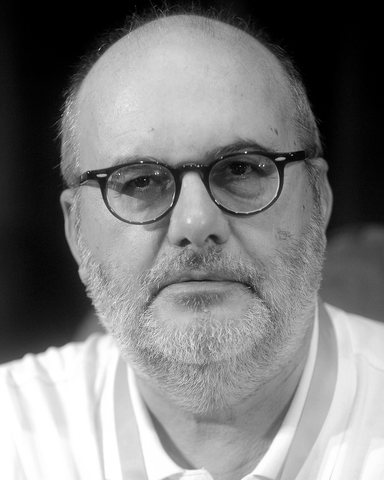
Cartesian dualism never convinced me, but nobody had shown me what the alternative looked like in practice. He did.
The Divided Mind was the first umbrella I had seen wide enough to hold the whole problem: fractal brain networks, genome-wide atlases and polygenic risk scores, gene expression mapped onto the networks themselves, epigenetics, developmental trajectories through synaptic pruning with adolescence as the window where it goes wrong, and the immune system inside the brain down to the microglia. Separately I had read all of it. From him I read it as one account of how a disorder like schizophrenia might actually come about — and it was the first time biological psychiatry felt coherent to me rather than assembled out of parts. The Inflamed Mind does it again for depression, and so do his lectures. I have not read anyone who joins the fields better.
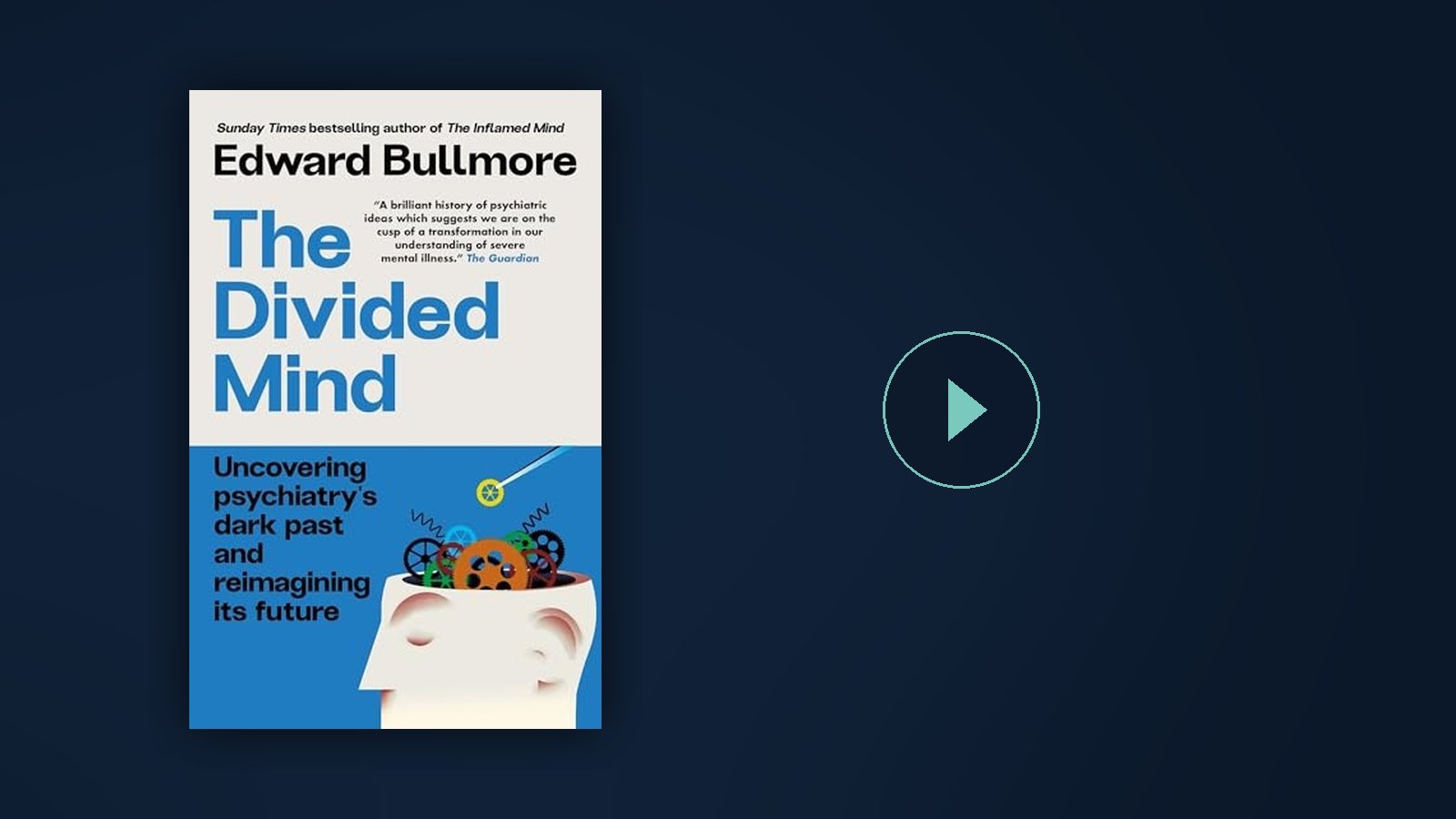 VideoBullmore on The Divided MindWatch→
What I learned — to be written.
What I learned — to be written.
What I learned — to be written.
What I learned — to be written.
What I learned — to be written.
What I learned — to be written.
What I learned — to be written.
What I learned — to be written.
What I learned — to be written.
What I learned — to be written.
What I learned — to be written.
What I learned — to be written.
What I learned — to be written.
What I learned — to be written.
What I learned — to be written.
What I learned — to be written.
What I learned — to be written.
What I learned — to be written.
What I learned — to be written.
What I learned — to be written.
What I learned — to be written.
What I learned — to be written.
Essays, opinion pieces, talks and video on psychiatry, medicine and adjacent questions.
2018 – 2025, kept up
Eight years of reading, counted down from the honorable mentions to number one, with what each one changed. Starts at 2025 and runs back to a childhood in Heilbronn.
Read→
2026
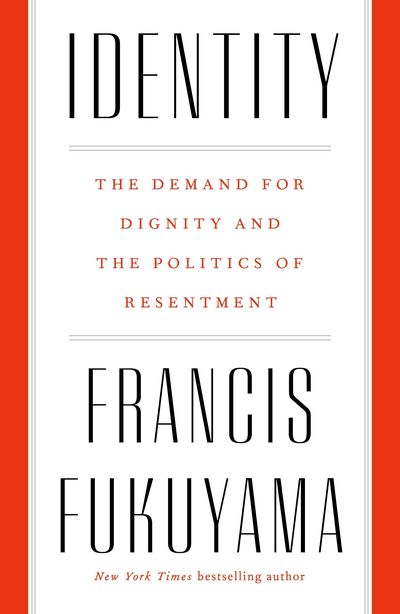
The book that first showed me what a biological explanation of psychiatric illness could look like, and the argument that the split between brain and mind has done real harm.
Watch→
Coming soon
Two or three lines of preview: enough to say what the piece is about and why it is worth the reader’s time.
Read→
Coming soon
A second long piece: the question it starts from, the turn in the middle and where it leaves the reader.
Read→
Coming soon
A short argument about clinical practice, research culture or the way psychiatry talks about itself.
Read→
Coming soon
One claim, the evidence behind it, and what it would change on a normal working day.
Read→
Coming soon
Conference talk, interview or explainer. The block links straight to the recording.
Watch→One question runs through all of it: why the same hardship leaves one person ill and another well. I work at the join between psychiatry and neuroscience, following that question from the acute stress response through the long course of depression, and I care most about findings that survive contact with a second sample.
What early adversity leaves behind in the way body and brain answer an acute psychosocial stressor — cortisol, network dynamics, and what separates the people who recover quickly from those who do not.

Why an episode lifts, lingers or returns. Chronicity, remission and relapse traced through large longitudinal cohorts rather than a single time point.

The methods that make the first two questions answerable: fMRI and MR spectroscopy alongside physiological signals, read with machine learning and judged by whether the result generalises.
Publications
Childhood adversity and the longitudinal relationship with depressive symptomatology: chronicity, remission, and relapse in the Health and Retirement Study.
Theta tACS for cognitive impairment in Alzheimer’s disease: a meta-analysis.
Interaction among heart rate variability, neurometabolites and childhood maltreatment during a social stress imaging task.
Effects of childhood adversity on the relationship among resting state network dynamics, cortisol and subjective status after an acute psychosocial stressor.
Childhood adversity interacts with the relationship among brain network dynamics, cortisol and subjective status after an acute psychosocial stressor.
Der Einfluss von Kindheitstraumatisierung auf psychosozialen Stress bei gesunden Erwachsenen: eine fMRT-Studie.
Department of Psychiatry and Psychology.


Friedrich Schiller University Jena.
Advisors: Dr Lejla Colic and Prof Dr Martin Walter.
Thesis: “placeholder”
Granted in 2025.


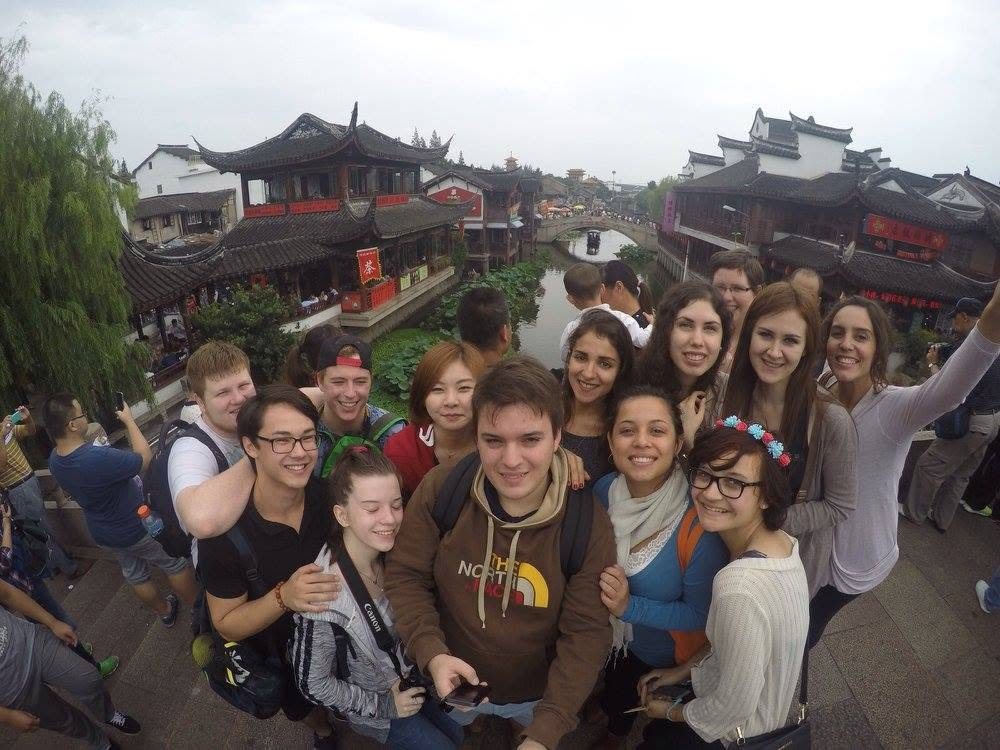
Shanghai International Studies University (上海外国语大学).




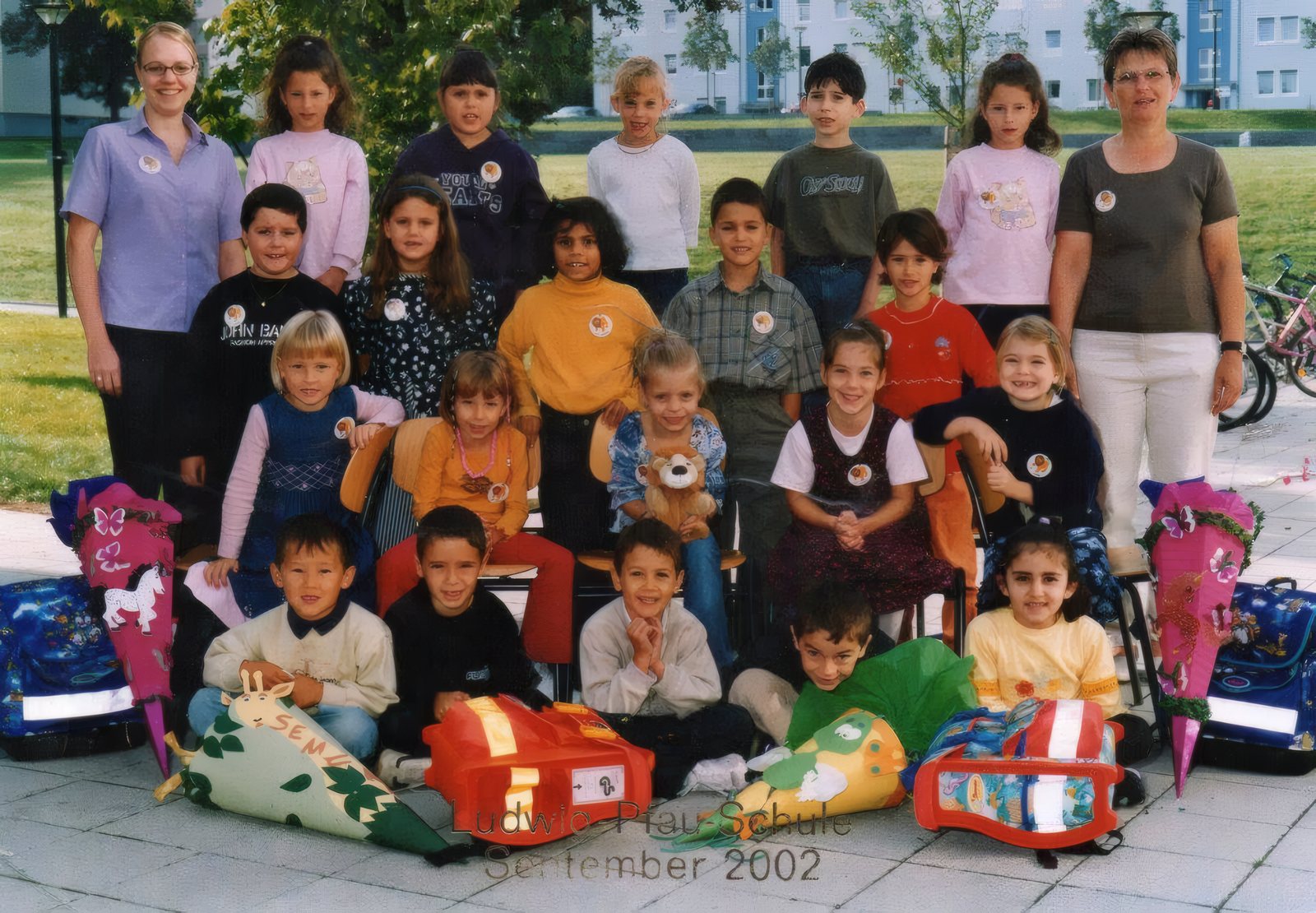
Gustav von Schmoller Schule, Heilbronn.



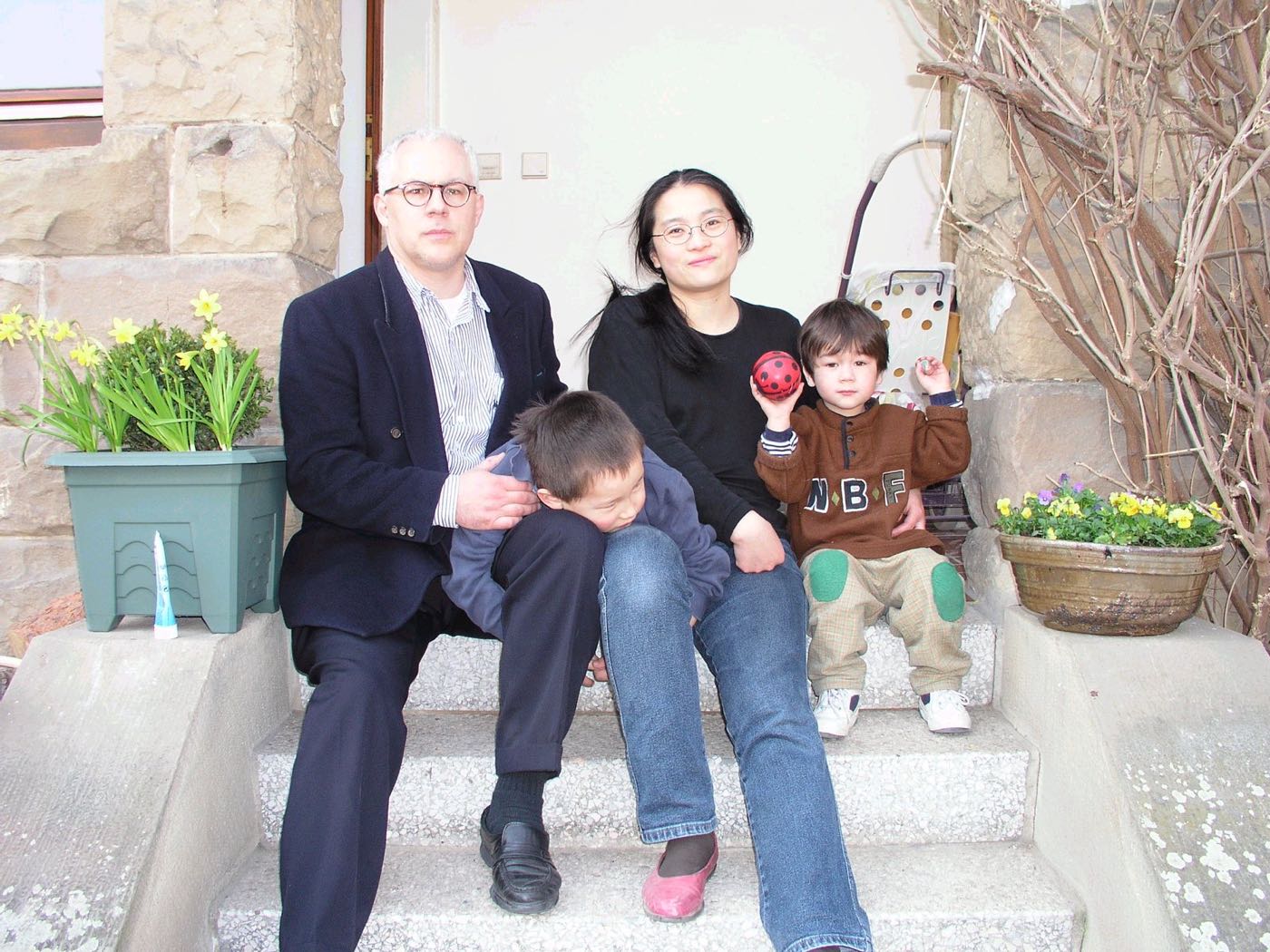
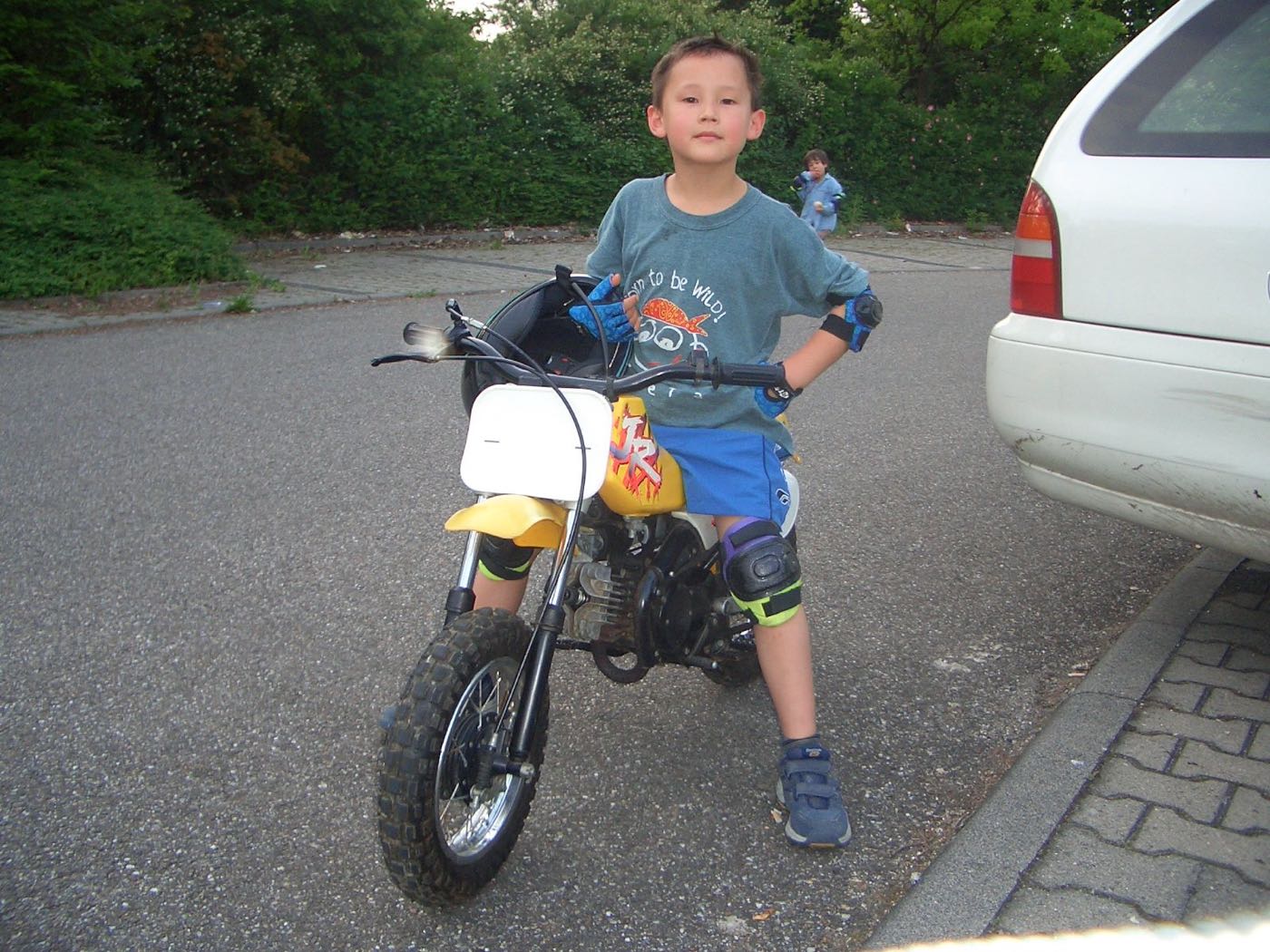
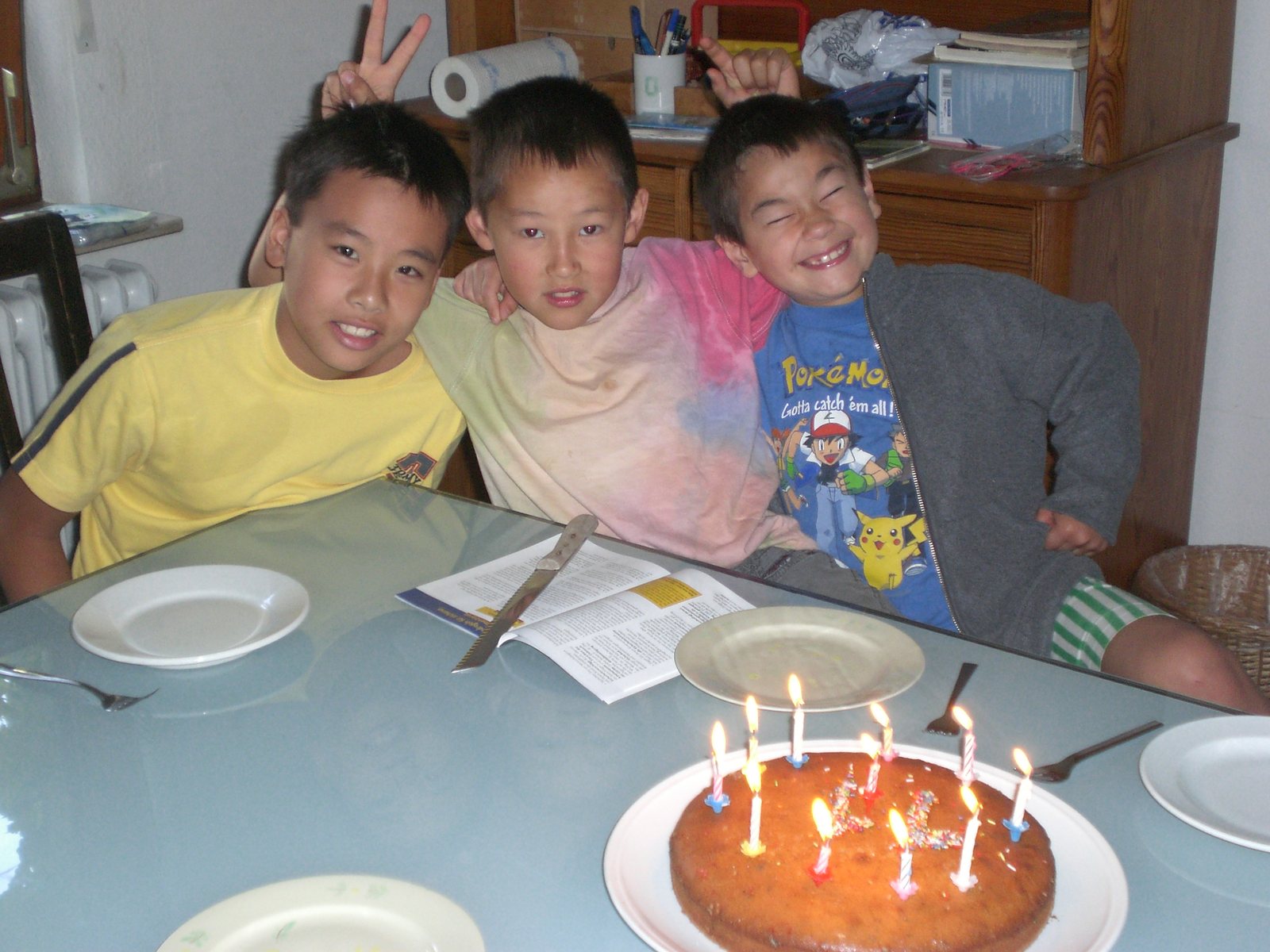
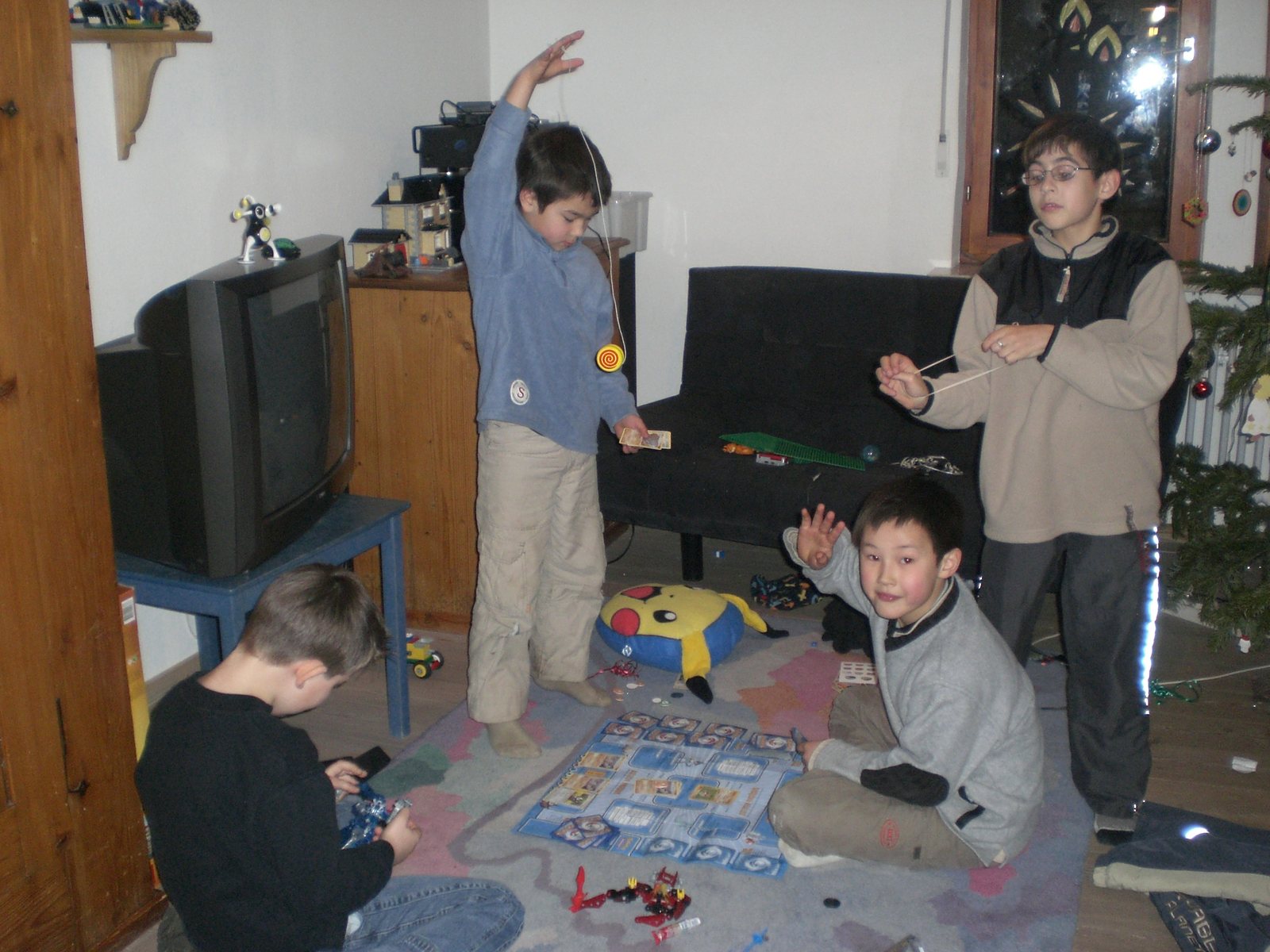
Football with my friends until it got dark, piano at home, and long evenings with Pokémon Ruby and The Legend of Zelda.

Questions and collaborations are welcome.